Can I Lose 22 Pounds With Liposuction in Farmington Hills?
Liposuction shapes stubborn fat but takes off only a few pounds. Here is how much fat one surgery can remove and what to do if you want to lose 22 pounds.
Dr. Michelle Hardaway, M.D., F.A.C.S. Board-Certified Plastic Surgeon · Farmington Hills, MI
20+Years Experience
ABPSBoard Certified
QUAD AAccredited Facility
F.A.C.S.Fellow ACS
Can you lose 22 pounds with liposuction? Not usually, even across several surgeries. Twenty-two pounds is about 10 kg, and liposuction is designed to reshape areas of stubborn fat, with only a small effect on the scale for most people.
This content is for general informational purposes only and should not be taken as medical or other professional advice. Readers should consult a qualified licensed professional for advice about their specific situation. Reading this page does not create a physician-patient relationship. All surgery carries risk, and individual results vary. Seek immediate emergency care for severe or urgent symptoms.
Liposuction is not built to take off 22 pounds. The American Society of Plastic Surgeons (ASPS) recommends no more than five liters of total aspirate per procedure, a mix of fat and fluid that holds far less than 22 pounds of fat. Most people lose only a few pounds on the scale, so liposuction is a shaping tool.
Twenty-two pounds is about 10 kg.
ASPS recommends a maximum of five liters of total lipoaspirate in one procedure, counting fat and fluid together.
A liter of fat weighs about two pounds, so 22 pounds of fat would fill about 11 liters.
ASPS puts the typical total at about two to five pounds, and a meta-analysis of 24 studies found an average drop of 2.64 kg.
ASPS describes ideal candidates as healthy, nonsmoking adults with good muscle tone and firm, elastic skin, and the NHS says liposuction works best for people who are not overweight.
How Much Fat Can Liposuction Remove in One Surgery?
ASPS recommends removing no more than five liters of total lipoaspirate in one liposuction procedure, and that total counts fluid as well as fat. That figure covers everything suctioned out, fluid included, so the amount of fat removed in one surgery is smaller than the number suggests.
Total aspirate includes fat, lidocaine (a local anesthetic), blood, and anything else that comes out. One ASPS member surgeon gives an example of five liters that holds two liters of fat and three liters of tumescent solution.
Large-volume cases carry added risks. A 2003 ASPS practice advisory on liposuction states that cases above 5,000 cc of total aspirate, which it calls large-volume liposuction, should be performed in an acute-care hospital or an accredited or licensed facility.
Five liters of fat would weigh about 10 pounds, using the ASPS figure that one liter of fat weighs approximately two pounds. A cadaver study of fat tissue density measured 0.925 to 0.970 grams per milliliter, which also works out to roughly two pounds per liter.
Now apply that to a 22-pound goal. Twenty-two pounds of fat would fill about 11 liters, more than twice the five-liter total ASPS recommends for one surgery, and that five liters includes fluid as well as fat.
ASPS puts it simply: five liters of total lipoaspirate translates to just a few pounds of fat.
Why the Scale Moves Less Than You Expect
Most people see only a small change on the scale after liposuction. ASPS says most people lose about two to five pounds in total, and that even repeat procedures over time barely move the scale, since liposuction can only make you so much lighter.
One 2024 study of 51 patients weighed people one month after VASER-assisted liposuction. Women lost an average of 4.73 kg and men 3.39 kg, and the drop was not linked to how much was suctioned.
A meta-analysis of 24 studies, published online in 2022, found that every study reported some weight loss after liposuction, with an average drop of 2.64 kg, or about 6 pounds.
These study averages run higher than the ASPS estimate, and they still fall well short of 10 kg.
Liposuction vs. Weight Loss: What Each One Does
Liposuction and weight loss solve different problems. ASPS is clear that liposuction does not treat obesity and cannot replace a proper diet and exercise, and MedlinePlus agrees. Surgeons usually use it to shape the abdomen, hips, thighs, buttocks, and other spots that diet and exercise alone have not changed.
Remove fat deposits that do not respond to diet or exercise
Treat obesity
Contour the abdomen, hips, thighs and buttocks
Treat cellulite
Remove soft, fatty tissue
Combat visceral fat, which ASPS says responds only to exercise and diet.
Who Is a Suitable Candidate for Liposuction?
ASPS says the ideal candidate is an adult with good muscle tone and skin that is firm and elastic. Ideal candidates are also healthy, without a life-threatening illness or a condition that can impair healing, and they do not smoke or vape.
Skin matters as well. The NHS says liposuction works best for people who are not overweight and in areas where the skin is firm and elastic. ASPS notes that stretch marks, weight loss, or aging can leave skin soft and thin, which does not reshape as well.
What Happens if You Gain Weight After Liposuction?
The fat cells removed during liposuction do not grow back, according to ASPS. The fat cells that remain can still grow in size and expand the treated area if you take in too many calories, so a later weight gain can change your result. ASPS calls a healthy diet and exercise regimen the best prevention.
What if Your Goal Is 22 Pounds or More?
If you want to lose 22 pounds or more, liposuction is not built for that goal, because the scale will not show much weight loss even after several procedures. ASPS describes it as a way to shape specific areas, ideally for someone already in a healthy weight range.
Liposuction is no substitute for diet and exercise, and ASPS points to the same habits for keeping a later result. If weight loss leaves skin soft and thin, this guide on whether a lower body lift is worth it covers skin removal.
ASPS also notes that liposuction may not be an option for some people with a high body mass index (BMI), because obesity is linked to health concerns that may add risk during an elective surgery.
Talk It Through With a Plastic Surgeon in Farmington Hills
If you are close to your goal weight and a few areas still hold fat, a consultation can show whether liposuction in Farmington Hills fits your goals or whether another option in body contouring in Farmington Hills suits you better. At this practice, candidacy is a clinical judgment made at consultation after an examination and a review of your history.
The practice notes that liposuction may not be appropriate if you have weakened immunity or a chronic condition such as diabetes or heart disease, have poor circulation or a blood-clotting disorder, smoke, have recently had a significant weight change, take blood thinners, or have loose, sagging skin that will not reshape well.
For pricing, this breakdown of liposuction cost in Metro Detroit explains what goes into a quote. The office is at 27920 Orchard Lake Rd in Farmington Hills.
All consultations are paid and appointment-based to ensure dedicated time and a personalized plan.
Frequently Asked Questions
Can liposuction remove visceral fat?
No. Liposuction removes soft, fatty tissue, and ASPS says only exercise and diet work against visceral fat.
Does fat come back after liposuction?
The fat cells removed do not grow back. The fat cells that remain can grow if you gain weight, and ASPS points to a healthy diet and exercise to prevent this.
Does liposuction get rid of cellulite?
No. ASPS says liposuction is not an effective treatment for cellulite.
About Dr. Michelle Hardaway
Dr. Michelle Hardaway is a board-certified plastic surgeon with over 20 years of experience. Her board certification comes from the American Board of Plastic Surgery. Before establishing the practice, she was appointed Chief of Plastic and Reconstructive Surgery at Detroit Receiving Hospital and served as Director of its Burn Center.
She is also a Fellow of the American College of Surgeons. Her published work includes peer-reviewed writing on abdominoplasty and articles on liposuction, and she operates in a QUAD A accredited surgical suite in Farmington Hills.
Cortisol belly is a popular name for belly fat linked to stress. Here is what it usually looks like, what the research shows and how it differs from the signs of Cushing syndrome.
Many of our patients come to us after years of feeling self-conscious about the same thing. Occasionally it's after having children, when the stomach never quite went back.…
Submitting a request does not create a physician-patient relationship and does not confirm an appointment. A member of the team will be in touch to arrange one.


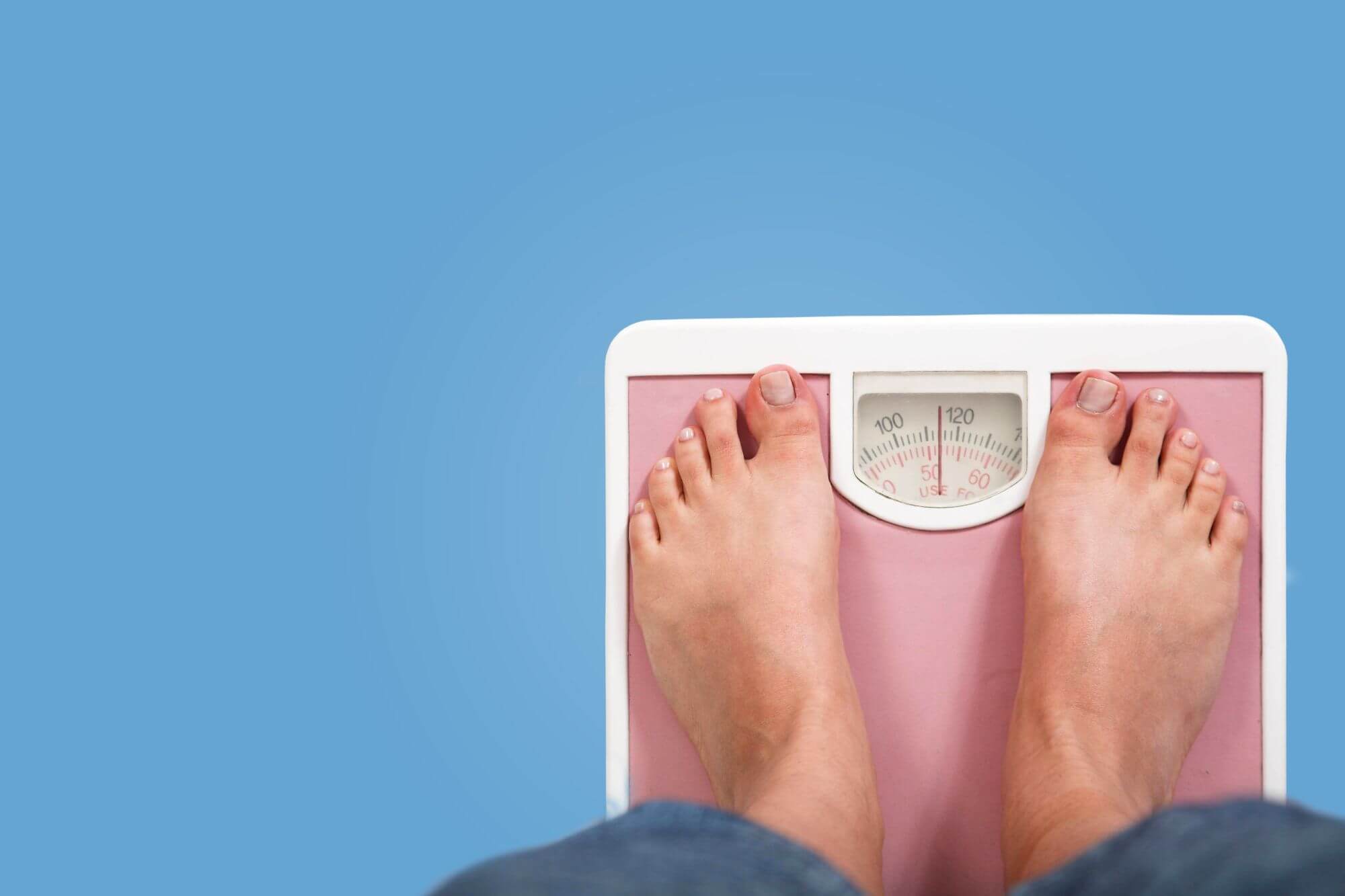
 ASPS recommends removing no more than five liters of total lipoaspirate in one liposuction procedure, and that total counts fluid as well as fat. That figure covers everything suctioned out, fluid included, so the amount of fat removed in one surgery is smaller than the number suggests.
 If you want to lose 22 pounds or more, liposuction is not built for that goal, because the scale will not show much weight loss even after several procedures. ASPS describes it as a way to shape specific areas, ideally for someone already in a healthy weight range.