What Does Cortisol Belly Look Like in Farmington Hills?
Cortisol belly is a popular name for belly fat linked to stress. Here is what it usually looks like, what the research shows and how it differs from the signs of Cushing syndrome.
Dr. Michelle Hardaway, M.D., F.A.C.S. Board-Certified Plastic Surgeon · Farmington Hills, MI
20+Years Experience
ABPSBoard Certified
QUAD AAccredited Facility
F.A.C.S.Fellow ACS
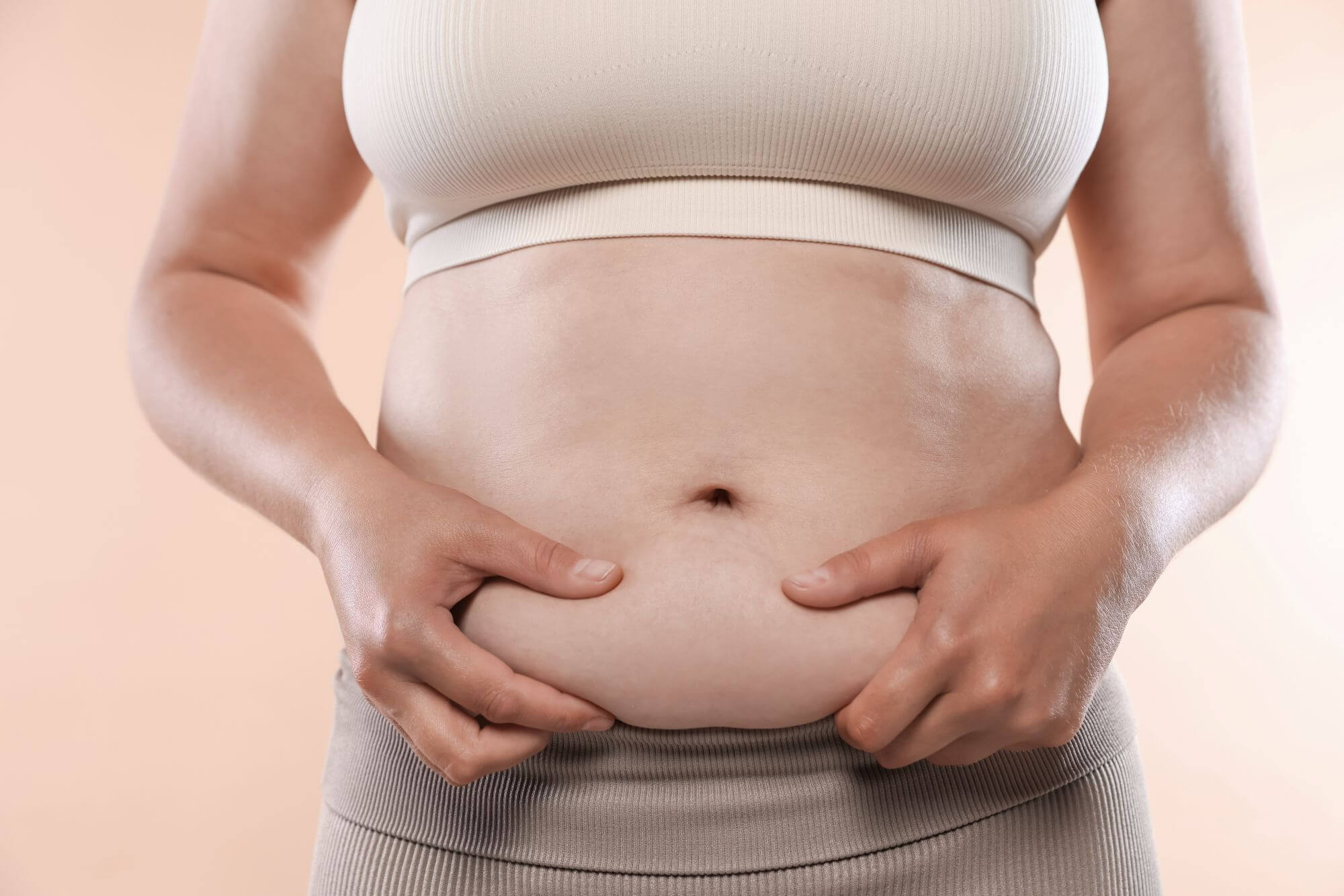
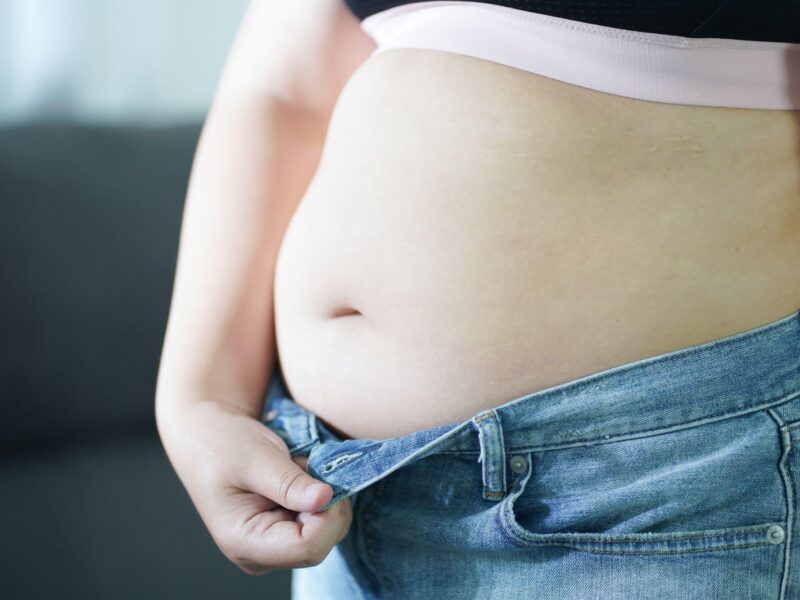
What does a cortisol belly look like? It usually looks like extra weight around the middle, especially the abdomen. “Cortisol belly” is a popular, nonmedical term for belly fat that people link to stress.
This content is for general informational purposes only and should not be taken as medical or other professional advice. Readers should consult a qualified licensed professional for advice about their specific situation. Reading this page does not create a physician-patient relationship. All surgery carries risk, and individual results vary. Seek immediate emergency care for severe or urgent symptoms.
“Cortisol belly” is a popular label, not a diagnosis. It usually describes extra fat around the abdomen that people link to stress. Experts don’t agree on whether everyday stress adds to belly fat, and a few specific signs, such as wide purple stretch marks, can point to Cushing syndrome, a condition that needs medical care.
“Cortisol belly” is not a medical term used by physicians.
It usually refers to weight gain mostly around the belly area.
In a study of 59 premenopausal women, those with more fat around the waist secreted more cortisol during their first lab stress session.
Cushing syndrome adds signs such as a round face, a fatty hump between the shoulders, and wide purple stretch marks.
Quality sleep, regular movement, and deep breathing can help lower cortisol.
What Does a Cortisol Belly Look Like?
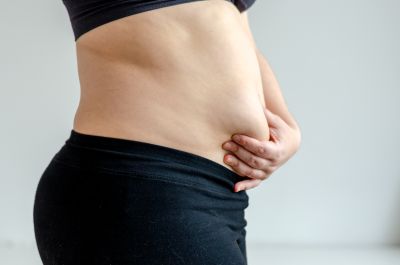
Cortisol belly usually looks like weight gain mostly in the belly area. The cause of that weight gain isn’t as simple as many online posts make it sound. Weight gain at the abdomen can sit just below the skin or deep inside around the organs.
Hormones other than cortisol also shape where fat goes. After menopause, with much of their estrogen gone, women may carry more fat in the abdomen and upper body. Before menopause, a larger share tends to sit in the thighs, hips, and buttocks.
You can’t see or feel the deeper visceral fat directly. When visceral fat builds up, the waistline can grow by inches as the fat pushes out against the abdominal wall, even without weight gain on the scale.
Is the Cortisol Belly Real?
The term is informal. On social media, “cortisol belly” is a popular nonmedical label. Chronic stress and high cortisol may play a role in belly fat, but diet, sleep, activity, hormones, and certain medical conditions also add fat around the midsection.
Not every expert agrees that everyday stress drives belly fat. Rexford Ahima, MD, PhD, of Johns Hopkins Medicine told WebMD that the idea that chronic stress leads to high cortisol and excess abdominal fat “is not supported by evidence.”
What a Study of 59 Women Found About Stress and Belly Fat
A 2000 study of stress and body shape tested 59 healthy premenopausal women, 30 with a high waist-to-hip ratio and 29 with a low one. Over four days of lab sessions, the women with more fat around the waist secreted significantly more cortisol during the first stress session and reported more chronic stress.
Lean women with more fat around the waist also kept secreting more cortisol when the challenges became familiar on days two and three, so they didn’t get used to the repeated stress the way lean women with less waist fat did.
The authors described their findings as cross-sectional. They said the results support the idea that stress-induced cortisol may contribute to central fat.
Stress may also affect weight through habits. High cortisol can increase appetite, especially for high-calorie, sugary, and fatty foods, and stress-related poor sleep can push cortisol higher still.
Cortisol Belly vs. Cushing Syndrome
High cortisol from everyday stress and Cushing syndrome both involve raised cortisol, but they’re different conditions. Cushing syndrome is a disorder in which the body makes too much cortisol over a long period, and it usually brings signs beyond belly fat. The table compares what each one tends to look like.
Feature
High cortisol linked to stress
Cushing syndrome
Weight
Weight gain, especially in the abdomen
Rapid weight gain, especially in the face or trunk, with thin arms and legs
Other body signs
Fatigue, sleep problems, and sugar cravings
A round face, a fatty hump between the shoulders, wide purple stretch marks, easy bruising, and weak muscles
Mood
Anxiety or irritability
Depression or other mood changes
Common causes
Ongoing stress, poor diet, or lack of sleep
Most often long-term, high-dose glucocorticoid medicines; sometimes a tumor
Outlook
Often reversible
Needs medical treatment and can usually be cured
Endogenous Cushing syndrome, the kind caused inside the body, is rare. Estimates range from about 40 to 70 people out of every million. Cushing syndrome overall affects about three times as many women as men, most often adults aged 30 to 50.
High Cortisol Belly Symptoms That Need a Doctor
Belly fat by itself has many causes, from diet and sleep to hormones. Some signs alongside belly weight gain are worth raising with a doctor, because they can point to Cushing syndrome. The condition can be difficult to diagnose, so doctors rely on a medical history, an exam, and lab tests.
A round, red, full face
Purple stretch marks half an inch or more wide on the belly, upper arms, thighs, or breasts
A collection of fat between the shoulders and above the collarbones
Thin skin that bruises easily, especially on the arms and hands
Weak muscles, especially in the hips and shoulders
Periods that become irregular or stop, or extra hair on the face, neck, chest, abdomen, and thighs
Doctors may use urine, saliva, or blood tests, and they usually run two tests to confirm a diagnosis.
What Else Can Raise Cortisol Levels?
Stress isn’t the only thing linked to higher cortisol. Poor sleep, too much caffeine, restrictive or yo-yo dieting, high-intensity workouts without rest, and blood sugar swings from meals can all raise it. Pregnancy and health issues such as PCOS, thyroid imbalances, or adrenal problems can also contribute.
Chronic sleep problems, such as insomnia or working a night shift, can also cause higher cortisol levels.
Long-lasting stress can affect your health in other ways too. People under long-term stress may notice trouble sleeping, headaches, or stomach problems, and the strain may play a part in heart disease, high blood pressure, and diabetes.
How to Lower Cortisol and Reduce Belly Fat
Several everyday habits can help with both cortisol and belly fat. Quality sleep, regular movement, deep breathing, and time with people you enjoy can all help lower cortisol levels, and aerobic activity and strength training help trim visceral fat. More exercise isn’t always better, since overtraining can raise cortisol.
Aim for 7 to 9 hours of uninterrupted sleep.
Walk or do yoga most days, add strength training 2 to 3 times a week, and keep rest days for recovery.
Try deep breathing, which helps switch on the body’s “rest and digest” system.
Eat balanced meals with protein, fiber, and healthy fats, and don’t skip meals.
Limit caffeine after 2 p.m. and skip alcohol before bed.
With consistent activity and attention to what you eat, you may start to see visceral fat loss in two to three months. If you are planning an operation, these healthy habits before plastic surgery in Farmington Hills help you prepare.
Can Body Contouring Help With Belly Cortisol?
Body contouring in Farmington Hills can treat stubborn fat under the skin, but it doesn’t treat cortisol or the deeper fat around the organs. Cosmetic liposuction doesn’t reach inside the abdominal wall, where visceral fat sits. Cushing syndrome needs medical treatment, usually medication or surgery, to lower cortisol levels.
Liposuction targets stubborn fat deposits that have not responded to diet and exercise. The fat cells removed from the treated area do not return, though significant weight change afterward can still alter the result.
A tummy tuck removes excess skin and fat from the abdomen and tightens weak or separated muscles. It is not a weight loss procedure. This guide to comparing body contouring procedures in Farmington Hills explains how the options differ.
Talk With a Plastic Surgeon in Farmington Hills
If stubborn belly fat remains after your doctor has ruled out a medical cause, a consultation can show whether liposuction in Farmington Hills or another body contouring option fits your goals. To book, call (248) 780-0558. The office is at 27920 Orchard Lake Rd in Farmington Hills.
All consultations are paid and appointment-based to ensure dedicated time and a personalized plan.
Frequently Asked Questions
Is the cortisol belly real?
Cortisol belly is a popular, nonmedical term, not a diagnosis. Chronic stress and high cortisol may play a role in belly fat, along with diet, sleep, activity, hormones, and certain medical conditions.
What are the warning signs of high cortisol?
Symptoms of high cortisol, as in Cushing syndrome, can include weight gain in the face and belly, fatty deposits between the shoulder blades, wide purple stretch marks on the belly, muscle weakness in the upper arms and thighs, high blood sugar, high blood pressure, excess hair growth in females, and weak bones.
How long does it take to get rid of a cortisol belly?
There’s no set timeline. With consistent activity and attention to what you eat, you may start to see visceral fat loss in two to three months.
How can you flush cortisol out of your body?
Your body regulates cortisol itself, keeping levels steady through the hypothalamus, pituitary gland, and adrenal glands. Quality sleep, regular movement, deep breathing, and healthy relationships can help lower it. Cushing syndrome needs medical treatment.
Is the consultation free?
No. Consultations at this practice are paid and booked by appointment. For procedure pricing, this breakdown of liposuction cost in Metro Detroit explains what goes into a quote.
About Dr. Michelle Hardaway
Dr. Michelle Hardaway is a board-certified plastic surgeon with over 20 years of experience. She is certified in plastic and general surgery and is a Fellow of the American College of Surgeons. She previously served as Chief of Plastic and Reconstructive Surgery and Director of the Burn Center at Detroit Receiving Hospital.
Her hospital affiliations are:
Corewell Health William Beaumont University Hospital
Henry Ford Providence Southfield Hospital
Detroit Medical Center Hospitals
Henry Ford St. John Hospital
Her published work includes peer-reviewed writing on abdominoplasty and articles on liposuction. She operates in a QUAD A accredited surgical suite in Farmington Hills. Before you book, this guide on how to choose a plastic surgeon in Farmington Hills lists the checks worth running.
Many of our patients come to us after years of feeling self-conscious about the same thing. Occasionally it's after having children, when the stomach never quite went back.…
Submitting a request does not create a physician-patient relationship and does not confirm an appointment. A member of the team will be in touch to arrange one.