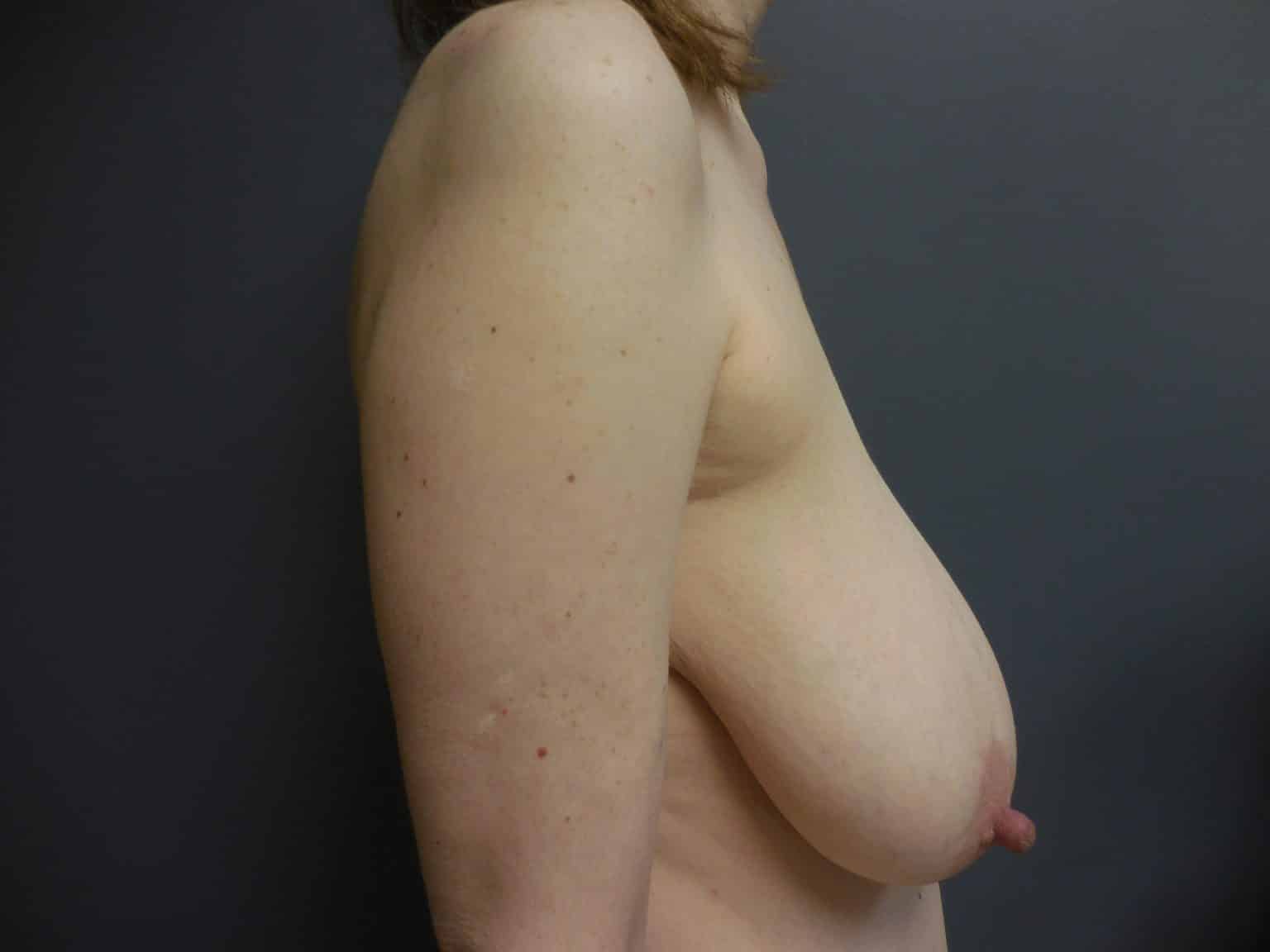
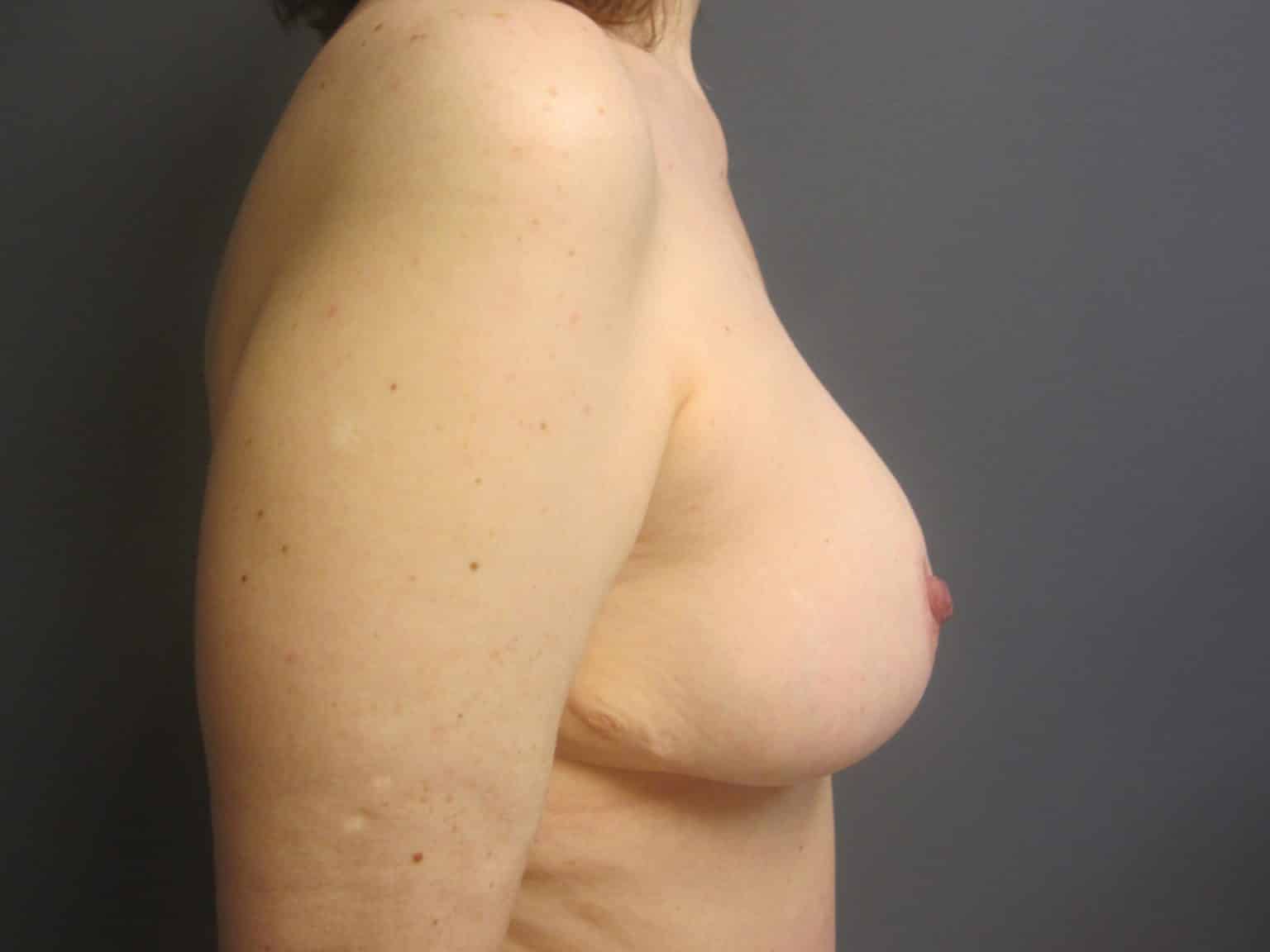
Breast Reduction · Case 01
Ask about this result →
Breast reduction removes excess breast fat, glandular tissue and skin to create a more comfortable, proportionate breast size. Performed personally by Dr. Michelle Hardaway, a board-certified plastic surgeon with over 20 years of experience.
Breast reduction, also called reduction mammoplasty, is for women with overly large breasts (macromastia) that cause physical discomfort or emotional distress. It reduces the size and weight of the breasts and moves the nipple and areola to a higher position, so it includes a breast lift.
For many patients, the procedure can help with:
You may be a candidate if large breasts cause persistent pain, limit physical activity, lead to recurrent rashes or infections beneath the breast fold, affect your posture, leave deep grooves from bra straps, or make you self-conscious. Suitable candidates should also:
Candidacy is decided at consultation, after a review of your medical history and an examination of your breast tissue and skin. That visit also establishes whether a minimally invasive approach or a traditional reduction mammoplasty better suits your needs.
The incision pattern depends mainly on how much reduction is needed, and is decided at consultation.
At consultation, Dr. Hardaway reviews your medical history and current medications, examines your breasts, and takes measurements and photographs for surgical planning. Before surgery you receive specific instructions, which may include adjusting medications, quitting smoking and arranging post-operative care.
Breast reduction is performed under general anesthesia and typically takes two to four hours, depending on how much tissue is removed. Excess breast tissue and skin are removed, the remaining tissue is reshaped, and the nipple and areola are repositioned higher. The blood supply to the nipple is preserved, and nipple sensation and the potential for breastfeeding are preserved whenever possible.
First 24 to 48 hours. After a brief recovery period at the facility you return home, and a responsible adult should stay with you. A surgical bra or compression garment helps limit swelling, discomfort is managed with prescribed pain medication, and light walking is encouraged to promote circulation.
First two weeks. Discomfort typically decreases significantly within the first week, when you have your first follow-up appointment. Most patients return to light, non-strenuous activities within one to two weeks, continuing to wear supportive garments.
Weeks 2 to 6. Return to work usually falls at two to four weeks, depending on the job, along with a move from the surgical bra to a supportive sports bra. More strenuous activity and exercise are typically cleared at four to six weeks. Scars begin to fade from red to pink, and sensation in the breast and nipple continues to improve.
Three to six months. Residual swelling resolves and the final result becomes visible.
The breast tissue and skin removed during surgery are gone for good. Significant weight change, pregnancy or hormonal changes can still affect breast size over time, so maintaining a stable weight helps preserve the result. Scars are permanent and typically fade significantly over 12 to 18 months.
Dr. Hardaway is a board-certified plastic surgeon, a Fellow of the American College of Surgeons, a former Chief of Plastic Surgery at Detroit Receiving Hospital, and an Assistant Clinical Professor at Wayne State University. Procedures are performed in the practice’s QUAD A accredited surgical suite.
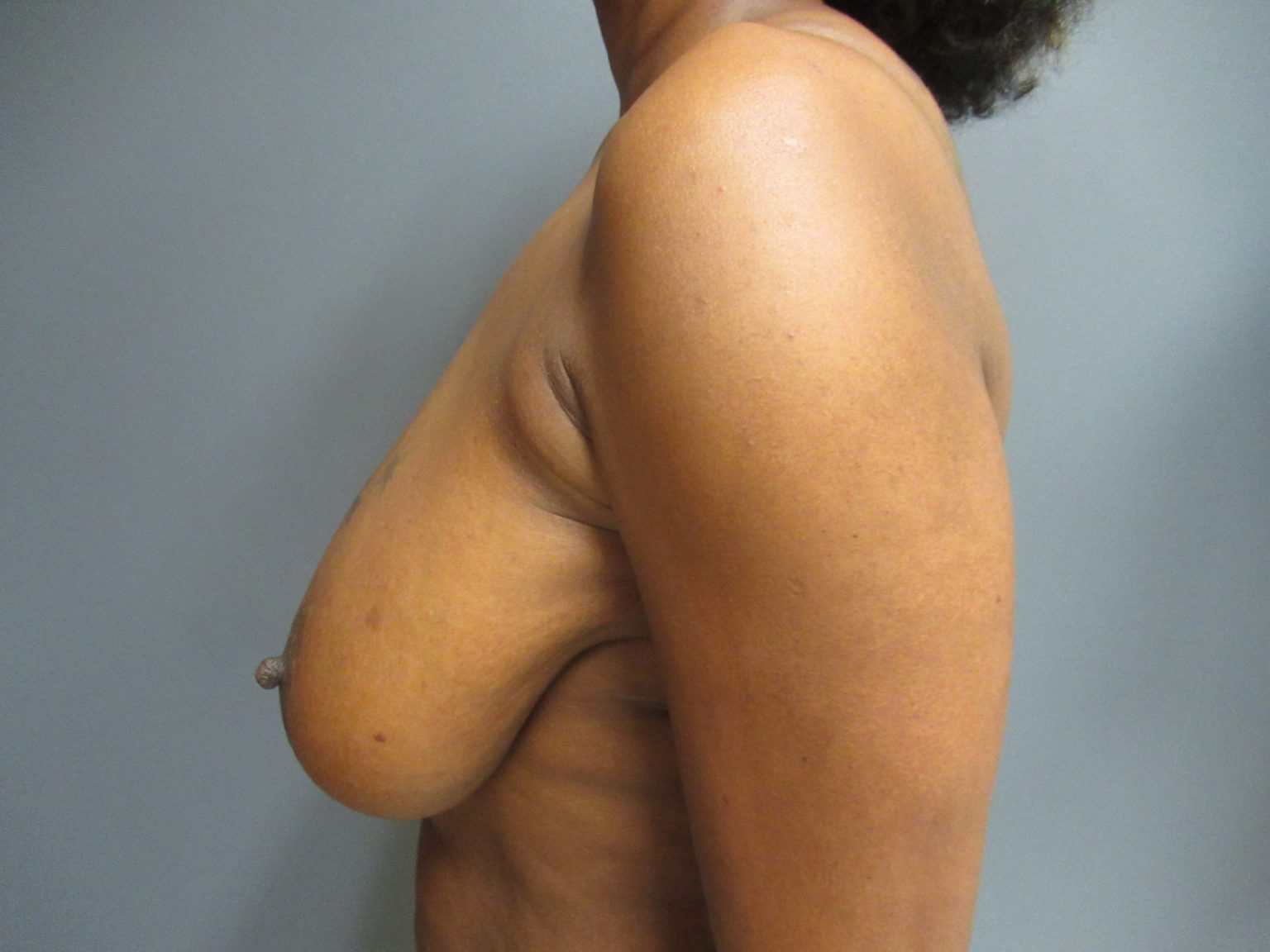

Individual results vary. These photographs show outcomes for specific patients and are not a guarantee of any particular result.
You are under anesthesia during the procedure. Afterwards, most patients have moderate discomfort, managed with prescribed pain medication, and the most significant discomfort subsides within the first week.
We do not accept insurance.
Most patients retain nipple sensation. The nerves responsible for it are preserved whenever possible. Temporary changes in sensitivity are common during healing, and permanent loss of sensation is rare.
Many women can. Milk ducts and glandular tissue are preserved whenever possible, although the surgery removes some breast tissue and can affect milk production. If future breastfeeding is important to you, discuss it at your consultation.
That depends on your starting size, body proportions and goals, and the amount is agreed at consultation. Most patients reduce by one to three cup sizes.
Yes, breast reduction creates scars. They typically fade significantly, becoming less noticeable within 12 to 18 months, and scar care recommendations are provided to support healing.
The excess breast tissue and skin are removed permanently. Significant weight fluctuation, pregnancy or hormonal changes can still affect breast size, and maintaining a stable weight helps preserve the result. Natural aging continues, and the breasts remain proportionately smaller than they would have been without surgery.
For some patients with primarily fatty breast tissue, a liposuction-based reduction may be an option. It leaves smaller scars and gives a more modest reduction. Whether it suits you depends on your breast composition and goals, and is decided at consultation.
Yes. All consultations are paid and appointment-based to ensure dedicated time and a personalized plan.
Whether breast reduction suits you is decided after an examination and a review of your history. All consultations are paid and appointment-based to ensure dedicated time and a personalized plan.
Not ready to book? See patient results or read the blog first.
Dr. Hardaway sees every consultation personally. You will have time to ask what you came to ask.
Prefer to talk now? (248) 780-0558
Submitting a request does not create a physician-patient relationship and does not confirm an appointment. A member of the team will be in touch to arrange one.