General · Oct 13, 2026
What Is a Good Age for Breast Reduction in Farmington Hills?
Breast reduction can be performed at any age. Learn what shapes the best age for breast reduction in Farmington Hills. Call (248) 780-0558.
Read article
What you eat, which medications you take, and even how you set up your home can directly affect your safety on the operating table and how quickly you…
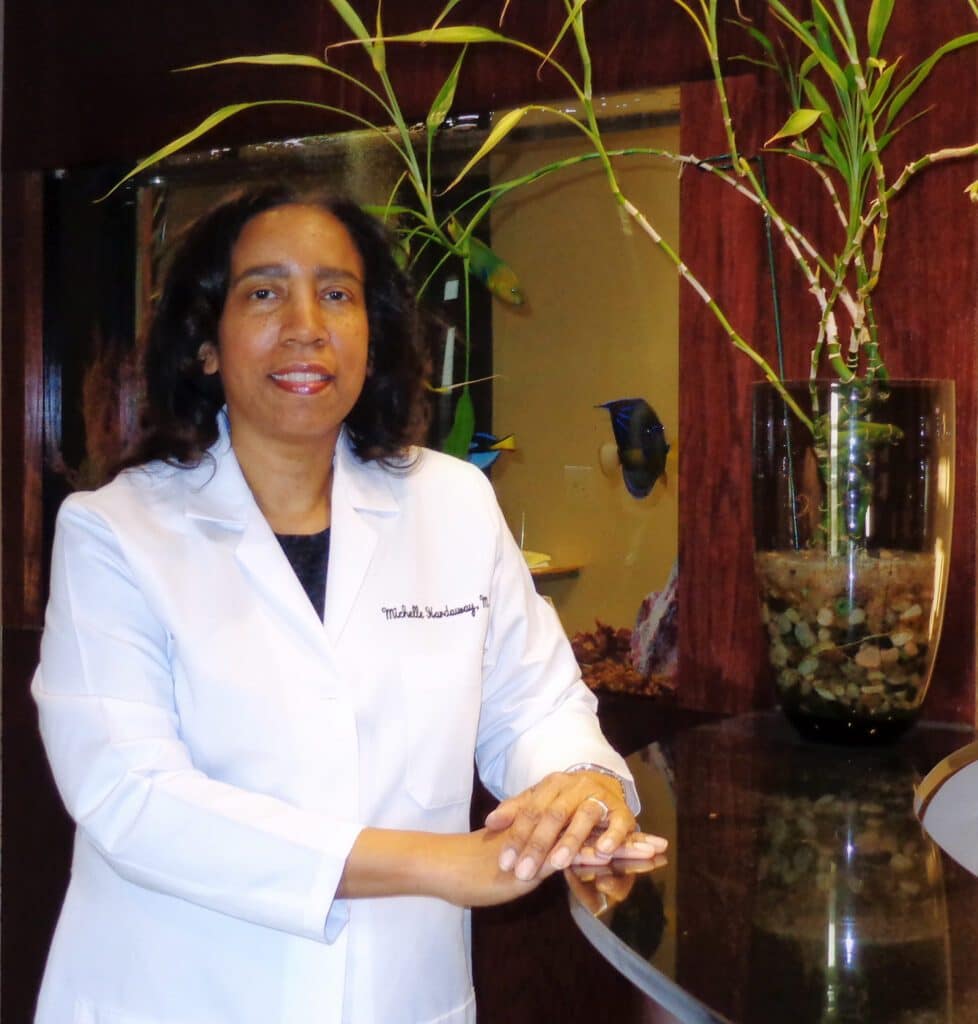 Dr. Michelle Hardaway, M.D., F.A.C.S.

The weeks before plastic surgery are just as important as the procedure itself.
What you eat, which medications you take, and even how you set up your home can directly affect your safety on the operating table and how quickly you recover afterward. In my more than 20 years as a board-certified plastic surgeon, I’ve seen patients who prepared well heal faster, experience fewer complications, and feel more confident throughout the process.
This guide walks you through the healthy habits that support safer surgery and smoother recovery—organized by timeline so you know exactly what to do and when.
Every case is unique, so always follow the specific instructions your surgeon gives you. If something here conflicts with your surgeon’s advice, their guidance takes priority.
Start at least 4 weeks before your procedure.
Some changes—like quitting smoking or adjusting certain medications—take time to make a real difference in your body’s ability to heal. Others, like hydration and meal prep, are easier to build into a routine if you start early.
Here’s a general timeline:
Your surgeon will give you a personalized checklist tailored to your procedure and health history. If you’re unsure about any step, reach out to the office—we’d rather answer the same question twice than have you second-guess something important.
Yes—and the sooner, the better.
Smoking constricts blood vessels, which means less oxygen reaches your tissues during healing. That increases your risk of complications like poor wound healing, infection, and even tissue death (necrosis), especially in procedures involving skin flaps or grafts like facelifts, tummy tucks, or breast lifts.
Nicotine is the main culprit, so vaping, nicotine gum, and patches carry similar risks.
Aim to quit at least 2 to 3 weeks before surgery. The longer you can stay smoke-free before and after, the better your body can repair itself.
If quitting feels overwhelming, talk to your surgeon or primary care doctor. They can connect you with resources or medications that help. Your safety is worth the effort.
Focus on high-protein, nutrient-dense foods.
Your body needs protein to build new tissue and repair incisions. Aim for lean sources like chicken, fish, eggs, Greek yogurt, beans, and tofu. If you’re vegetarian or vegan, work with your surgeon or a dietitian to make sure you’re getting enough.
Fruits and vegetables are also key—they provide vitamins (especially C and A) and antioxidants that support immune function and collagen production.
Hydration is just as important. Drink plenty of water in the weeks leading up to surgery. Well-hydrated tissues heal better, and good hydration helps your body process anesthesia more smoothly.
You don’t need to detox or do extreme cleanses before surgery. In fact, crash diets or fasting can leave you nutritionally depleted right when your body needs fuel most.
Eat balanced, whole-food meals. Skip heavily processed or high-sodium foods in the week before surgery—they can increase swelling.
Your surgeon will give you specific fasting instructions (usually no food or drink after midnight the night before). Follow those exactly.
This is critical—some common medications and supplements can thin your blood and increase bleeding during surgery.
Stop these at least 2 weeks before surgery.
Do not stop prescription medications without talking to your doctor first. If you take blood thinners, blood pressure meds, or medications for chronic conditions, your surgeon and primary care physician will coordinate a plan.
If you’re unsure about anything in your medicine cabinet, bring the bottles to your pre-op appointment or call the office. It’s better to ask than to guess.
Yes—stop at least 72 hours before your procedure.
Alcohol can interfere with anesthesia, thin your blood, and slow healing. It also affects your liver’s ability to process medications.
If you drink regularly, talk to your surgeon. They need to know so the anesthesia team can plan appropriately for your safety.
Light to moderate exercise is fine in the weeks before surgery—it can even help.
Staying active supports circulation, reduces stress, and keeps your body strong for recovery. Walking, yoga, and swimming are great options.
Avoid intense or high-impact workouts in the week before surgery. You don’t want to be sore, dehydrated, or risk injury right before a procedure.
Your surgeon will tell you when it’s safe to resume exercise after surgery. Most patients can walk gently within a day or two, but you’ll need to avoid heavy lifting and strenuous activity for several weeks depending on the procedure.
Set up your recovery space before surgery—you’ll be glad you did.
The first few days after surgery, you’ll be tired, sore, and possibly limited in how much you can move or lift. A little prep goes a long way.
If you have kids, pets, or others who depend on you, arrange care in advance. You’ll need time to rest and heal without added stress.
Yes—especially for the first 24 to 48 hours.
You’ll need someone to drive you home after surgery (you cannot drive yourself after anesthesia). Depending on the procedure, you may also need help with:
Some patients feel fine after a day or two; others need more support. Your surgeon will give you guidance based on your specific procedure. If you don’t have family or friends nearby, consider hiring a private caregiver or looking into recovery centers in the Metro Detroit area that specialize in post-op support.
It’s completely normal to feel nervous—even excited and anxious at the same time.
Here’s what helps:
Your consultation is the time to get clarity. Ask about risks, recovery, what to expect day by day, and what results are realistic for your body. A good surgeon will answer thoroughly and honestly.
If new questions come up before surgery, call the office. You should feel informed and confident, not confused or worried.
Plastic surgery can help you feel more like yourself, but it’s not magic. Swelling, bruising, and gradual healing are part of the process. Final results can take weeks or even months to fully appear.
Your surgeon should be upfront about what you can expect—and what you can’t. If something sounds too good to be true, ask more questions.
Some patients feel emotional or “down” in the days after surgery. It’s a mix of anesthesia aftereffects, discomfort, swelling (which can be surprising), and the gap between how you look now and how you’ll look once healed.
This usually passes as you start feeling better. But if sadness or anxiety persists or gets worse, tell your surgeon and your primary care doctor. They can help.
Your surgeon will give you a final checklist, but here are the common steps:
If you feel sick (fever, cough, cold) in the days before surgery, call your surgeon’s office right away. It may be safer to reschedule.
Follow your surgeon’s post-op instructions to the letter.
Every procedure has different recovery guidelines, but here are the universal rules:
If something doesn’t feel right—unusual pain, signs of infection (redness, warmth, pus), fever, or excessive bleeding—contact your surgeon immediately. Don’t wait.
Yes—recovery varies by procedure.
More invasive surgeries (like tummy tucks, breast lifts with implants, or facelifts) involve larger incisions, more tissue manipulation, and longer healing times. You might need drains, compression garments, or several weeks before you feel like yourself again.
Minimally invasive procedures (like injectables, laser treatments, or skin tightening) typically involve less downtime—often just a few days of mild swelling or bruising.
Your surgeon will walk you through what to expect for your specific procedure. If you’re concerned about downtime, ask about less invasive alternatives that might meet your goals.
It depends on the procedure and your overall health. Some surgeries (like tummy tucks) may carry higher risks at certain BMI levels, and your surgeon may recommend getting closer to a healthy weight first. Others (like breast reduction) may actually help with weight-related discomfort. Your surgeon will assess your individual case and recommend the safest path forward.
No. Your liver and kidneys naturally process anesthesia. Eating a balanced diet, staying hydrated, and avoiding alcohol in the days before surgery is all you need to do. Extreme detox diets can actually weaken you right when your body needs strength.
At least 2 weeks. Many herbal supplements (ginkgo, garlic, ginseng, St. John’s Wort) can thin the blood or interact with anesthesia. Bring a full list of everything you take—including vitamins and teas—to your pre-op appointment.
Call your surgeon’s office immediately. If you have a fever, respiratory infection, or other acute illness, it may be safer to postpone. Anesthesia and surgery put stress on your body, and operating while you’re fighting an infection increases risk.
No. You’ll be given specific fasting instructions—usually nothing to eat or drink (including coffee, water, or gum) after midnight the night before. Follow these exactly. Having food or liquid in your stomach during anesthesia can be dangerous.
It depends on the procedure. Swelling is the biggest factor—it can take weeks to months to fully resolve. For example, rhinoplasty results can take up to a year to settle completely, while liposuction swelling usually improves within a few months. Your surgeon will give you a realistic timeline during your consultation.
If you’re considering plastic surgery, the best first step is a consultation.
At Aesthetic Plastic Surgery & Laser Center in Farmington Hills, Dr. Michelle Hardaway and her team take the time to understand your goals, review your health history, and create a personalized treatment plan tailored specifically to you. With over 20 years of experience and a commitment to safe, natural-looking results, Dr. Hardaway will guide you through every step—from preparation to recovery.
Ready to take the next step? Call our office to schedule your consultation. We’ll answer your questions, walk you through what to expect, and help you feel confident and prepared for your transformation journey.
Your safety and confidence are at the heart of everything we do.
Breast reduction can be performed at any age. Learn what shapes the best age for breast reduction in Farmington Hills. Call (248) 780-0558.
Read articleYour belly protrudes where your fascia stretched. That is the answer most patients have been waiting years to hear, and it is rarely explained with the precision it…
Read articleYou've probably seen the ads. A med spa in a strip mall near your gym, Instagram-polished and offering Botox for less than you expected. Maybe you've already booked…
Read articleBring it to a consultation. All consultations are paid and appointment-based to ensure dedicated time and a personalized plan.
Not ready to book? See patient results or read the blog first.
Dr. Hardaway sees every consultation personally. You will have time to ask what you came to ask.
Prefer to talk now? (248) 780-0558
Submitting a request does not create a physician-patient relationship and does not confirm an appointment. A member of the team will be in touch to arrange one.