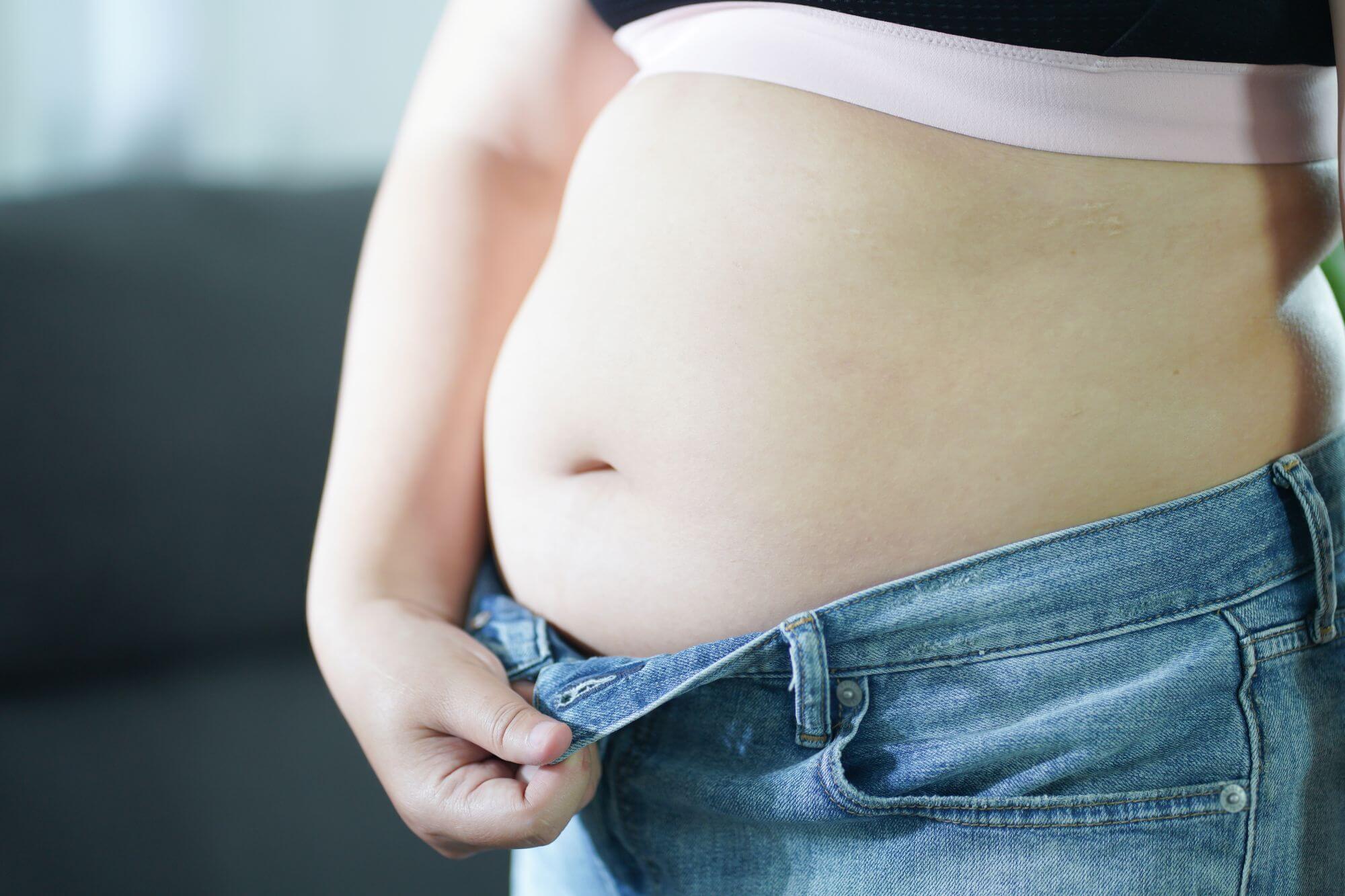
What Causes Lower Belly Fat in Females in Farmington Hills?
Genes, menopause, pregnancy and daily habits all shape where women store belly fat. This guide explains each cause, how to tell fat from loose skin and when a waist measurement matters.
Dr. Michelle Hardaway, M.D., F.A.C.S. Board-Certified Plastic Surgeon · Farmington Hills, MI
20+Years Experience
ABPSBoard Certified
QUAD AAccredited Facility
F.A.C.S.Fellow ACS
What causes lower belly fat in females depends on genes, hormones, age, and pregnancy history. Daily habits such as sleep, activity, and diet add to that, and the soft fat you can pinch is a different type from the deeper fat linked to health risks.
This content is for general informational purposes only and should not be taken as medical or other professional advice. Readers should consult a qualified licensed professional for advice about their specific situation. Reading this page does not create a physician-patient relationship. All surgery carries risk, and individual results vary. Seek immediate emergency care for severe or urgent symptoms.
Lower belly fat in women has several causes that stack on top of each other. Some, like genes and menopause, are outside your control. Others, like sleep, smoking, and activity, are habits you can change, and diet and exercise work on the deeper visceral fat more efficiently than on fat around the hips and thighs.
For most people, roughly 90% of body fat is the soft, pinchable subcutaneous kind. The rest is visceral fat, deeper inside.
During the middle years, women’s fat storage tends to shift away from the hips and thighs toward the upper body.
Women who have given birth tend to carry more visceral fat than those who haven’t.
In women, a waist of 35 inches or more generally points to excess visceral fat, although this rule may not hold for women with a larger overall body size.
Cosmetic liposuction doesn’t reach the fat inside the abdominal wall.
What Causes Lower Belly Fat in Females?
Genes, hormones, age, birth weight, and whether you’ve had children all affect where your body stores fat. Habits add to that base: eating many fatty foods and sugars, moving too little, sleeping poorly, and long-term stress can all add visceral fat, the deeper fat that sits around the organs.
Birth weight is one of the less obvious factors. People who were smaller at birth add belly fat more readily later in life.
You can’t change your genes, your birth weight, or the timing of menopause. The habits covered later in this guide are the part you can control.
Is Lower Belly Fat in Women Subcutaneous or Visceral?
Belly fat comes in two types. Subcutaneous fat is the soft layer just under the skin, the fat you feel when you poke your belly, and it makes up about 90% of body fat in most people. The remaining 10% is visceral fat, which lies beneath the firm abdominal wall around the liver, intestines, and other organs.
The omentum, an apron-like flap of tissue under the belly muscles, also stores visceral fat. It becomes harder and thicker as it fills with fat.
Visceral fat carries more health risk. It produces more cytokines, proteins that can set off low-level inflammation, which is a risk factor for heart disease and other long-term conditions.
You can’t see or feel visceral fat, so your body shape and measurements are the best way to keep track of it.
Why Women Gain Belly Fat in Midlife and After Menopause
As women go through their middle years, their share of body fat tends to rise, more than it does in men, and fat storage begins to favor the upper body over the hips and thighs. Young women carry less visceral fat than young men on average, and menopause changes that.
Your waist can grow by inches without any weight gain, because visceral fat presses outward on the abdominal wall.
Habits still count during menopause. Exercise can help reduce your waist measurement, and it can also help keep fat from coming back.
How Pregnancy Can Change the Lower Belly
Pregnancy can change the belly in two ways. Women who have had a baby tend to build up more visceral fat than women who have never given birth. Pregnancy also stretches the abdominal wall, which can leave loose skin or a gap between the abdominal muscles, and neither of these is fat.
That gap is called diastasis recti. When the band of connective tissue between the two rectus muscles thins and widens, the middle of the abdomen may bulge outward along the line from the breastbone down to the belly button. The risk is higher with multiple births or many pregnancies.
Pregnancy-related diastasis recti often lasts long after giving birth. Exercise may help improve it, and a health care provider can diagnose it with a physical exam. When it doesn’t close by itself, this article on diastasis recti repair in Farmington Hills explains how the muscle separation is treated.
Habits Linked to Belly Fat in Women
Some causes of belly fat are habits, which means they are causes you can work on. The table below lists the habits linked to belly fat and what each one does. Most of them affect visceral fat, the deeper type that sits around the organs and carries more health risk than the fat you can pinch.
Habit
What it’s linked to
A diet high in fatty foods and sugars
Can make your body form more visceral fat
Fructose-sweetened foods and drinks
Simple sugars like these seem to encourage fat deposits in the belly
Too little activity
Your body makes more visceral fat than it uses for energy
Smoking
Heavier smoking goes with a greater likelihood of storing fat in the abdomen
Too little sleep
In a five-year study, adults under 40 who slept five hours or less a night gained significantly more visceral fat
Long-term stress
Stress raises cortisol, and cortisol can lead your body to store more visceral fat
Alcohol
Adds a lot of empty calories, and too much strains the liver, which processes fat
In the same study, young adults who slept more than eight hours a night also added visceral fat, though the link wasn’t found in people over 40.
Can Stress Cause Lower Belly Fat?
Stress can play a part. Your body makes more cortisol when you’re stressed, and cortisol can lead your body to store more visceral fat. Cortisol that stays high for a long time is usually Cushing syndrome, which is rare when the extra cortisol comes from inside the body and not from medicine.
Symptoms of Cushing syndrome can include weight gain in the face and belly, fatty deposits between the shoulder blades, and wide, purple stretch marks on the belly. If you have symptoms like these, contact your health care provider.
Endogenous Cushing syndrome, the kind the body causes, affects about 40 to 70 people out of every million, though estimates vary. The most common cause of Cushing syndrome overall is long-term, high-dose use of glucocorticoid medicines.
When Does Lower Belly Fat Point to a Health Risk?
A tape measure is the simplest home check. In women, a waist of 35 inches or more generally points to excess visceral fat, although this may not hold for women with a larger overall body size. Watching whether your waist is growing over time also gives you a good idea of whether you’re gaining visceral fat.
To measure your waist at home:
Put the tape around your waist, just above the hip bones.
Don’t suck in your stomach or pull the tape tight enough to press into the skin.
Measure in the same place every time so you can compare readings.
For a waist-to-hip ratio, divide your waist size by the widest part of your hips. Above 0.85 in females indicates abdominal obesity.
Visceral fat is linked to higher blood pressure, blood sugar and triglyceride levels and lower HDL (good) cholesterol. Together, these changes, known as metabolic syndrome, raise the risk of cardiovascular disease and type 2 diabetes. If you have questions about your measurements, your primary care provider can explain what they mean.
Why Is Lower Stomach Fat So Hard to Lose?
Lower stomach fat can feel stubborn because the soft layer you see and pinch is subcutaneous fat, and visceral fat is the easier type to lose. Sit-ups and other spot exercises can tighten the abdominal muscles, but they won’t get at visceral fat. Aerobic activity, such as brisk walking, and strength training can help trim it.
Liposuction in Farmington Hills targets stubborn fat deposits that have not responded to diet and exercise. It removes fat cells from the treated area, and cosmetic liposuction doesn’t reach the visceral fat inside the abdominal wall.
Even if the scale doesn’t move, exercise can help you lose visceral belly fat and gain muscle mass.
Try to fit in 30 minutes or more of moderate-intensity activity on most days. With steady activity and attention to what you eat, you can start to see visceral fat loss in two to three months. If stubborn fat remains after that, this guide to comparing body contouring procedures in Farmington Hills explains how the options differ.
Lower Belly Fat, Loose Skin or Separated Muscles?
Not every lower belly bulge is fat. Loose skin after pregnancy or weight loss and separated abdominal muscles can look similar, and they respond differently to diet and exercise. Knowing the signs of each helps you describe what you see to a doctor, who can confirm the cause with an exam.
Fat you can pinch: this is subcutaneous fat, the layer just under the skin.
A ridge down the middle of the belly: a ridge that bulges when you sit up, cough, or strain can be a sign of diastasis recti.
Loose, stretched skin: Skin laxity after pregnancy, major weight loss, or with aging may not respond to diet or exercise.
Surgery treats some of these and not others. A tummy tuck in Farmington Hills removes excess skin and fat from the abdomen and tightens weak or separated abdominal muscles. It is not a weight loss procedure.
A mini tummy tuck focuses on the lower abdomen below the belly button, with a shorter scar, for patients with minimal excess skin.
Questions to Ask at Your Consultation
A consultation is the place to find out which of these causes applies to you. Bring the questions below to your appointment. If you meet more than one surgeon, this guide on how to choose a plastic surgeon in Farmington Hills walks through the checks worth running before you book.
Is my lower belly mostly fat, loose skin, or separated muscles?
Would liposuction, a tummy tuck, or a combination fit my goals?
How could a future pregnancy or a change in my weight affect the result?
What does recovery look like, and how much time off work should I plan for?
Schedule a Body Contouring Consultation in Farmington Hills
If diet and exercise haven’t changed your lower belly, a consultation can show whether body contouring in Farmington Hills fits. To book, call (248) 780-0558. The office is at 27920 Orchard Lake Rd in Farmington Hills. All consultations are paid and appointment-based to ensure dedicated time and a personalized plan.
Frequently Asked Questions
Why am I getting fat in my lower stomach?
This is usually due to a mix of genes, hormones, age, pregnancy history, and habits such as diet, activity, sleep, and stress. During the middle years, women’s fat storage also tends to shift away from the hips and thighs toward the upper body.
Why is lower stomach fat so difficult to lose?
The fat you can pinch is subcutaneous fat, which is harder to lose than visceral fat. Sit-ups can tighten the muscles underneath but won’t get at visceral fat. Aerobic activity and strength training can help trim visceral fat.
How do I get rid of my lower belly pooch?
It depends on the cause: fat can respond to regular activity, a balanced diet, enough sleep, and less stress. Loose skin may not respond to diet or exercise, and separated muscles may improve with exercise. A doctor’s exam can tell you which one you have.
Is a 35-inch waist too big for a woman?
In women, a waist of 35 inches or more generally points to excess visceral fat, although this guideline may not hold for women with a larger overall body size. Your primary care provider can explain what your measurements mean.
Is the consultation free?
No. Consultations at this practice are paid and booked by appointment.
About Dr. Michelle Hardaway
Dr. Michelle Hardaway was Chief of Plastic and Reconstructive Surgery and Director of the Burn Center at Detroit Receiving Hospital. She’s a board-certified plastic surgeon, certified in both plastic surgery and general surgery, and a Fellow of the American College of Surgeons, with over 20 years of experience.
Today she remains affiliated with:
Corewell Health William Beaumont University Hospital
Henry Ford Providence Southfield Hospital
Detroit Medical Center Hospitals
Henry Ford St. John Hospital
She has published peer-reviewed work on abdominoplasty and articles on liposuction, and she operates in a QUAD A accredited surgical suite in Farmington Hills. You can find her training and appointments on the page about Farmington Hills plastic surgeon Dr. Michelle Hardaway.
Deciding whether a lower body lift is worth it: who it helps, the scars and recovery it asks of you, how long results last, and the questions to ask first.
Submitting a request does not create a physician-patient relationship and does not confirm an appointment. A member of the team will be in touch to arrange one.