You can usually fly about five to 10 days after plastic surgery, depending on the procedure. ASPS suggests waiting five to seven days after body procedures such as liposuction and seven to 10 days after facial procedures, and the CDC advises 10 days after chest or abdominal surgery. Your own surgeon's clearance always comes first.
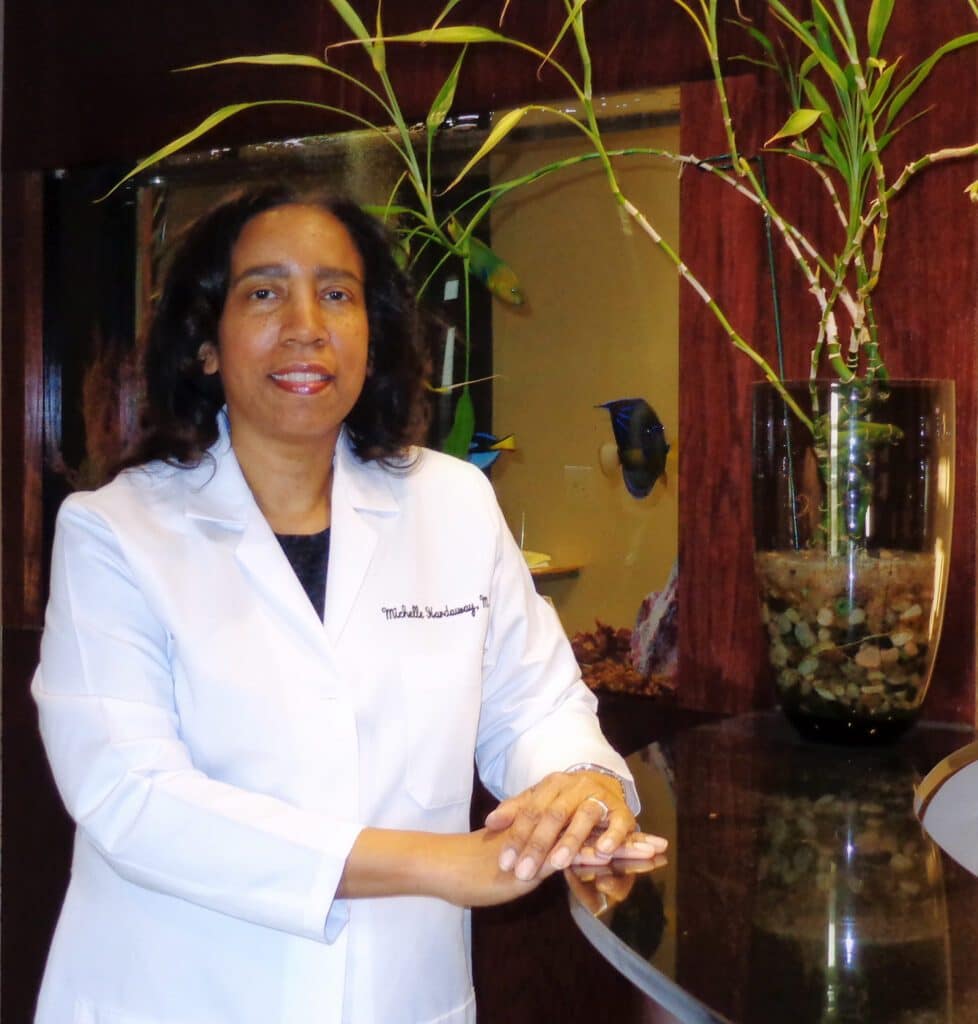
Michelle Hardaway, M.D., F.A.C.S. Board-Certified Plastic Surgeon · Farmington Hills, MI
20+Years Experience
ABPSBoard Certified
QUAD AAccredited Facility
F.A.C.S.Fellow ACS
Key takeaways
Typical waits: five to seven days after body procedures such as liposuction, seven to 10 days after facial procedures, and 10 days after chest or abdominal surgery.
Blood clots: the CDC lists recent surgery as a risk factor, and any trip longer than four hours, by air or by car, can raise the risk.
Combined procedures: in a large study, combining other operations with liposuction raised the risk of a confirmed blood clot more than fivefold.
Staying nearby: patients who left their surgery location within five days were more likely to need hospital admission later in one U.S. study.
Your plan: ask your surgeon when you will be cleared to travel before you book anything.
This content is for general informational purposes only and should not be taken as medical or other professional advice. Readers should consult a qualified licensed professional for advice about their specific situation. Reading this page does not create a physician-patient relationship. All surgery carries risk, and individual results vary. Seek immediate emergency care for severe or urgent symptoms.
Last Updated:November 28, 2026
The wait is mainly about blood clots, swelling and being close to your surgeon for the first checkups. If you are traveling in for surgery, or planning a trip soon after it, the guidance below helps you book travel around your recovery instead of the other way around.
After major surgery, the CDC suggests waiting 10 to 14 days before you fly, and 10 days after chest or abdominal surgery. The wait matters because surgery and air travel each raise the risk of blood clots on their own, and sitting still for hours on a flight adds to it while your body is still healing.
The CDC’s medical tourism page says that delaying air travel for 10 to 14 days after major surgery reduces the risks linked to changes in air pressure, and that flying after surgery can increase the risk of deep vein thrombosis (DVT), a blood clot in a deep vein, usually in the leg. The CDC Yellow Book gives the specific advice not to fly for 10 days after chest or abdominal surgery, and cites the ASPS recommendation to wait seven to 10 days after cosmetic procedures of the face, eyelids or nose.
Type of procedure
Typical wait before flying
Source
Body procedures such as liposuction
5 to 7 days
ASPS
Facial procedures, including facelift, eyelid and nose surgery, and laser treatments
7 to 10 days
ASPS, cited by the CDC
Chest or abdominal surgery, such as a tummy tuck
10 days
CDC
Major surgery in general
10 to 14 days
CDC
Published general guidance. Your surgeon may advise a different timeline for you.
The five-to-seven-day guidance for body procedures and the seven-to-10-day guidance for facelifts come from the ASPS briefing paper on cosmetic surgery tourism. ASPS also notes that long flights and surgery can each increase the risk of blood clots and pulmonary embolism, a clot that travels to the lungs.
A long drive counts too. According to the CDC’s guide to blood clots and travel, anyone traveling more than four hours by air, car, bus or train can be at risk, and surgery within the past three months is a risk factor. MedlinePlus adds that sitting in one position for too long, such as during plane or car travel, raises the risk of DVT, and that a pulmonary embolism may be fatal. Get emergency care for any of these warning signs during or after a trip:
Swelling, pain or tenderness you can’t explain in a leg or arm
Skin that is warm to the touch, red or discolored
Difficulty breathing
A faster than normal or irregular heartbeat
Chest pain or discomfort that usually worsens with a deep breath or coughing
Researchers have measured what a flight does to a recovering body. In a 2026 study of patients flying more than four hours after cosmetic surgery, blood oxygen levels fell by an average of 4% to 7%, heart rates rose by 15 to 20 beats per minute, and the main vein behind the knee widened steadily from prolonged sitting. The authors tie these changes to the risk of clots, infection and bleeding.
If you are traveling in for surgery, plan the trip around your recovery:
Stay near your surgeon until your first follow-up visits are done and you are cleared to travel. In a 2026 U.S. study, patients who stayed at their surgery location for five days or less were more likely to need hospital admission later (88.9% versus 36.4%), whether they had traveled within the U.S. or abroad.
Bring a companion. After a procedure such as a tummy tuck, ASPS says you should not plan to drive yourself home, and you may need help with luggage and daily tasks.
On the way home, move your legs often, exercise your calf muscles and take breaks to stretch on long car rides, as the CDC advises.
Ask your surgeon who will see you if a problem appears after you get home, and keep a copy of your surgical records with you.
How Long Is Bed Rest After a Tummy Tuck?
There is usually no long period of bed rest after a tummy tuck. You rest at an angle for the first few days, but you are asked to get up and move about early, because movement helps prevent blood clots. That is also why a long, cramped flight soon after a tummy tuck is a concern. Our guide to how long you rest after a tummy tuck walks through the first week day by day.
ASPS explains in its tummy tuck recovery guide that patients receive instructions to move about to help prevent blood clots, and that most people take up to a month off work. MedlinePlus describes resting with your legs and hips bent to reduce pressure on your abdomen, wearing an elastic support for two to three weeks, and avoiding strenuous activity for four to six weeks. A tummy tuck is abdominal surgery, so the CDC’s 10-day guidance before flying applies.
Combining procedures adds to the clot risk. In a study of 31,010 liposuction procedures, operations combined with liposuction had a higher risk of a confirmed blood clot (relative risk 5.65) than the same procedures done alone. If your plan pairs a tummy tuck with liposuction or breast surgery, ask whether your travel window should be longer. You can read more about tummy tuck surgery and recovery with Dr. Hardaway.
How Long Does It Take for Your Face to Heal After Plastic Surgery?
Bruising and visible swelling on your face usually fade within two to six weeks of plastic surgery, depending on the procedure, while some swelling and numbness can last for months. After eyelid surgery, bruising may last two to four weeks. After a nose job, most swelling improves by two to three months, but full recovery can take a year.
For travel, the early milestones matter more than the final result. According to MedlinePlus, eyelid surgery stitches are removed five to seven days after surgery if they need to come out, and rhinoplasty packing is usually removed in three to five days, with a splint left in place for one to two weeks. After a forehead lift, stitches or clips come out within 10 to 14 days.
Those visits fall in the first one to two weeks, the same period in which ASPS suggests not flying after facial procedures. Planning to stay until they are done keeps your surgeon in charge of the stage of healing that needs the closest watch.
How Long Does It Take for Your Face to Settle After a Facelift?
Your face usually settles enough to look normal four to six weeks after a facelift, though mild swelling can continue for several weeks and some numbness for several months. The first week carries the most aftercare, which is why ASPS suggests waiting seven to 10 days after a facelift before you fly.
MedlinePlus explains that a small drainage tube behind the ear is usually removed one to two days after a facelift, bandages come off after one to five days, and some stitches come out at five to seven days. You keep your head raised on two to three pillows for a couple of days and avoid straining, bending and lifting, so someone else should carry heavy bags.
What Is the Easiest Plastic Surgery to Recover From?
No official ranking exists, but smaller procedures done on their own usually have the easiest recoveries. Eyelid surgery under local anesthesia often lets you go home the same day, and after liposuction you may return to work within a few days. Easier recoveries generally mean shorter waits before you can travel, too.
MedlinePlus says you can usually go home the day of eyelid surgery and should keep activities to a minimum for three to five days. Its liposuction page advises walking as soon as possible after surgery to help prevent blood clots in your legs. In the large liposuction study above, liposuction alone had a major complication rate of 0.7%, while combining it with other operations was the strongest predictor of major complications.
Some surgeons report flying very early in carefully chosen patients. A 2026 study from one practice followed 618 breast augmentation patients who flew within 48 hours under a standardized 33-step protocol and observed no blood clots, hematomas or implant infections. The authors describe this as safe only in well-selected patients, and it does not replace the general guidance or your own surgeon’s advice.
Frequently Asked Questions
What is the hardest cosmetic surgery to recover from?
Larger body operations, such as a tummy tuck, usually take longer to recover from than smaller procedures, and they call for a longer wait before travel. MedlinePlus says most people return to work two to four weeks after abdominal wall surgery, compared with a few days after liposuction. Our guide to recovery timelines after plastic surgery compares procedures in detail. If you are also weighing surgery abroad, read about the dangers of getting plastic surgery in another country.
Dr. Michelle Hardaway sees patients at 27920 Orchard Lake Rd in Farmington Hills, convenient to communities across Metro Detroit, and people travel to the practice from across Michigan and the country. If you live farther away, you can start with a virtual consultation and ask how follow-up visits and travel clearance work for your procedure before you book anything. All consultations are paid and appointment-based to ensure dedicated time and a personalized plan. You can contact the office online to request one.
Written by Michelle Hardaway, M.D., F.A.C.S., Board-Certified Plastic Surgeon
Dr. Michelle Hardaway is a board-certified plastic surgeon and Fellow of the American College of Surgeons with over 20 years of experience. A former Chief of Plastic and Reconstructive Surgery at Detroit Receiving Hospital and an Assistant Clinical Professor of Surgery at Wayne State University School of Medicine, she performs every procedure personally at her QUAD A accredited practice in Farmington Hills.
Getting breast implants usually causes moderate pain, not severe pain. You are asleep under general anesthesia during surgery, and afterward your chest feels tight, sore and heavy for the first three to five days, when prescription pain medicine keeps you comfortable. Most people move to over-the-counter pain relief within about a week.
Many people wish they had known how much a mastectomy changes daily life in the first weeks: drains, limited arm movement, numbness across the chest and strong emotions are all common. It also helps to know that you can meet a plastic surgeon about breast reconstruction before your mastectomy, so your options are clear from the start.
Yes, once you have fully healed, it is usually okay to go braless with breast implants. While you recover, you wear a surgical support bra day and night and then a soft, wireless bra for several more weeks. After your surgeon clears you, wearing a bra is mostly about comfort, exercise support and personal preference.
Submitting a request does not create a physician-patient relationship and does not confirm an appointment. A member of the team will be in touch to arrange one.