General · Oct 13, 2026
What Is a Good Age for Breast Reduction in Farmington Hills?
Breast reduction can be performed at any age. Learn what shapes the best age for breast reduction in Farmington Hills. Call (248) 780-0558.
Read article
A board-certified plastic surgeon and a cosmetic surgeon are not the same thing — and that distinction may be one of the most important decisions you make before…
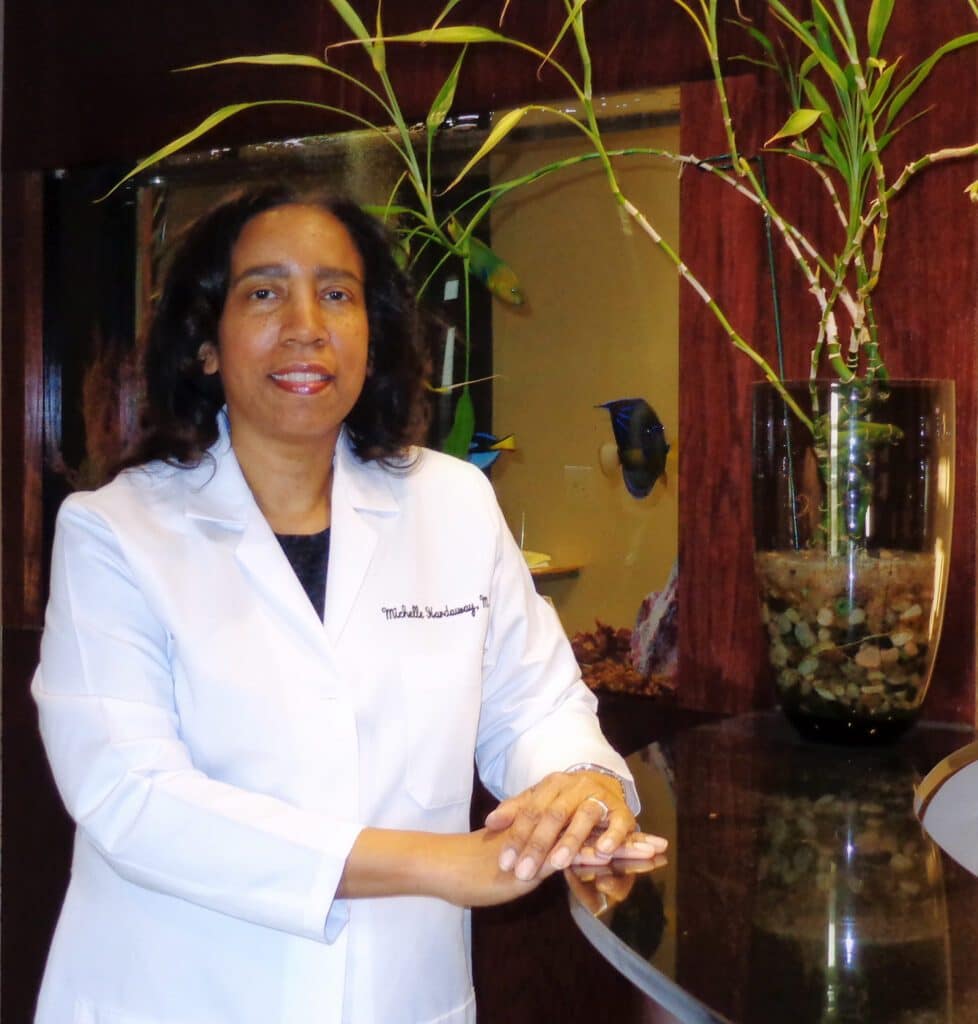 Dr. Michelle Hardaway, M.D., F.A.C.S.
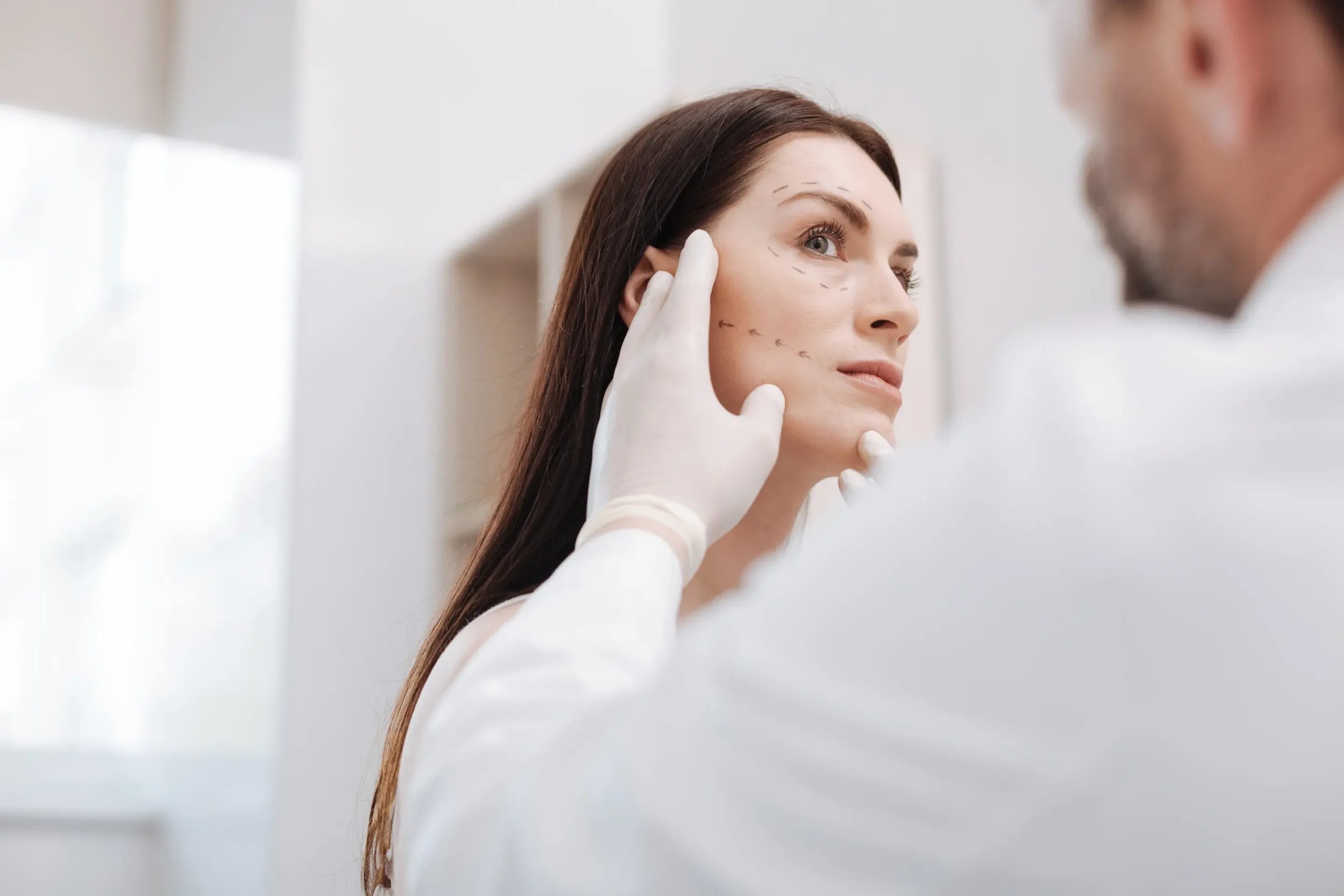
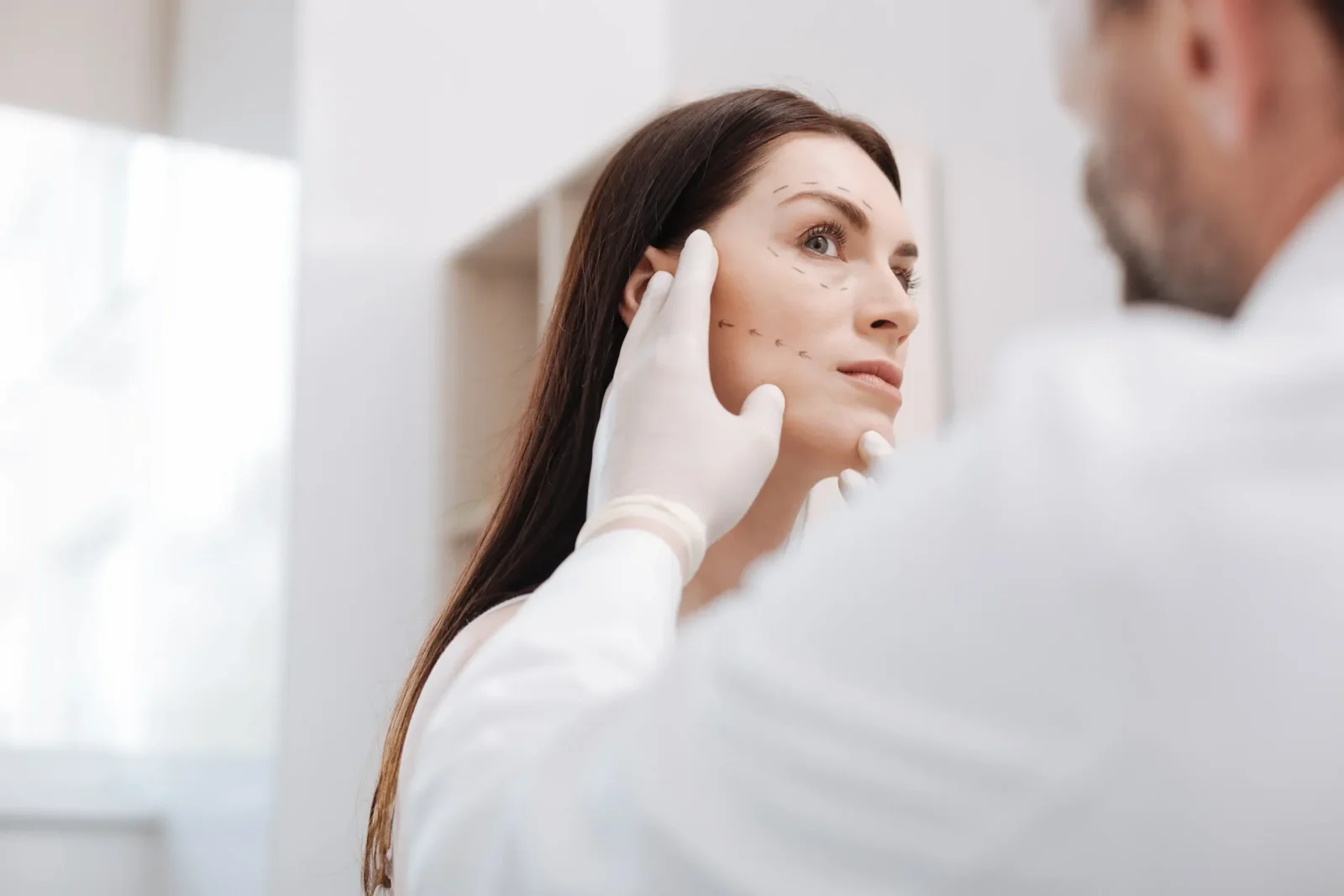
A board-certified plastic surgeon and a cosmetic surgeon are not the same thing — and that distinction may be one of the most important decisions you make before any procedure.
A board-certified plastic surgeon has completed medical school followed by a minimum of five to six years of accredited surgical residency training, with the final years dedicated specifically to plastic and reconstructive surgery. They must then pass rigorous written and oral examinations administered by the American Board of Plastic Surgery (ABPS) — the only plastic surgery board recognized by the American Board of Medical Specialties (ABMS).
A “cosmetic surgeon,” by contrast, is not a protected title under U.S. medical law. Understanding that gap is what this guide is for.
The confusion is understandable — both titles appear on clinic websites, both practitioners perform aesthetic procedures, and both may even use similar before-and-after photography. But the credentials behind each title are fundamentally different.
A plastic surgeon certified by the ABPS has completed:
A “cosmetic surgeon” may hold certification from the American Board of Cosmetic Surgery (ABCS), a board that is not recognized by the American Board of Medical Specialties. The ABCS has its own training pathway, which typically requires far fewer hours of supervised surgical experience and may be completed by physicians whose primary specialty is dermatology, OB-GYN, or another non-surgical field.
Neither title alone tells you everything. What matters is which board issued the certification — and whether that board is ABMS-recognized.
Here is something most clinic websites will not tell you: in the United States, any physician with a valid medical license — regardless of specialty — may legally market themselves as a “cosmetic surgeon.”
That means an emergency medicine physician, a family doctor, or a dermatologist can complete a weekend or short-term training course in a specific procedure and begin offering it under the “cosmetic surgeon” label. There is currently no federal law preventing this.
This is not an indictment of every practitioner who uses that title. Some are skilled and conscientious. But it does mean that the title itself offers you no standardized guarantee of surgical training depth, residency hours, or complication management experience.
When you are considering a procedure that involves anesthesia, incisions, or permanent anatomical changes, that distinction matters.
| Credential | Training Pathway | Board Recognition | Surgical Residency Required |
| ABPS Board-Certified Plastic Surgeon | Medical school + 5–6 years accredited surgical residency | ABMS-recognized | Yes — dedicated plastic surgery residency |
| F.A.C.S. (Fellow, American College of Surgeons) | Earned after ABPS certification + peer review of surgical outcomes | American College of Surgeons | Yes |
| ABCS Board-Certified Cosmetic Surgeon | Variable; may be completed by non-surgical specialists | Not ABMS-recognized | Not required |
| “Cosmetic Surgeon” (no board certification) | Any MD with a state medical license | None | Not required |
Source: American Board of Medical Specialties (ABMS); American Board of Plastic Surgery (ABPS)
Verifying a surgeon’s credentials takes less than five minutes and should be a non-negotiable step before any consultation.
Step 1: Visit certificationmatters.org, the official public verification tool of the American Board of Medical Specialties.
Step 2: Search the surgeon’s name and confirm that “Plastic Surgery” appears as a listed specialty under an ABMS-member board.
Step 3: Look for the F.A.C.S. designation (Fellow of the American College of Surgeons). This credential is awarded only to surgeons who have passed a peer review of their ethical conduct and surgical outcomes — it is not self-reported.
Step 4: Confirm the surgical facility. Procedures performed in an accredited operating room — such as a QUAD A accredited surgical facility — are held to rigorous safety and equipment standards that unaccredited offices are not required to meet.
If a surgeon’s name does not appear in the ABMS database under Plastic Surgery, that is important information to have before your appointment.
This is one of the most honest questions a patient can ask, and it deserves a direct answer.
Board-certified plastic surgeons typically charge more because their training costs more — in time, in tuition, and in the years of supervised clinical experience that precede independent practice. That investment is reflected in the fee.
But the more relevant question is: what is the cost of a revision?
Correcting a procedure that did not go as planned — whether due to asymmetry, scarring, or a result that looks unnatural — requires the same level of surgical expertise as the original procedure, and often more. Revision surgery is typically not covered by the original provider’s fee, and complex reconstructive corrections may cost significantly more than the initial procedure.
Patients who come to a board-certified plastic surgeon after a previous experience with an underqualified provider often share the same reflection: they wish they had understood the credential difference before their first procedure, not after.
Choosing a surgeon based primarily on price is a reasonable instinct. But the relevant comparison is not the upfront fee — it is the full cost of the outcome you receive.
Board certification affects more than safety. It also shapes aesthetics.
A surgeon who has spent years studying facial anatomy, tissue planes, and the long-term behavior of scar tissue approaches a procedure differently than one who has not. The goal of a skilled plastic surgeon is not simply to perform a technique — it is to produce a result that respects your unique anatomy and looks natural over time.
At Aesthetic Plastic Surgery & Laser Center, Dr. Hardaway’s approach is grounded in over 20 years of experience and a philosophy of enhancement rather than transformation. Results are designed to look like you — refreshed, confident, and entirely your own. Whether you are planning your mommy makeover results or exploring facial rejuvenation, the goal is always a natural-looking outcome tailored specifically to each patient.
The difference between a result that looks subtle and one that looks “overdone” is rarely about the procedure itself. It is almost always about the depth of training and the aesthetic judgment of the surgeon performing it.
Where your procedure takes place is as important as who performs it.
An accredited surgical facility — such as one holding QUAD A (Accreditation Association for Ambulatory Health Care) certification — is subject to the same rigorous safety inspections as a hospital operating room. This includes sterile field protocols, emergency equipment requirements, and mandatory credentialing of all clinical staff.
A key safety feature to ask about: anesthesia administration. Procedures performed under general or deep sedation should involve a Certified Registered Nurse Anesthetist (CRNA) or board-certified anesthesiologist — not the operating surgeon managing both roles simultaneously.
At Aesthetic Plastic Surgery & Laser Center, all surgical procedures are performed in on-site, QUAD A-accredited operating rooms with a dedicated CRNA present. This is the standard of care — and it is worth confirming with any provider you consult.
Before committing to any surgical consultation, consider asking each provider directly:
A qualified surgeon will welcome these questions. If a provider is evasive or discourages you from asking, that itself is useful information.
Choosing a surgeon is one of the most personal decisions you will make. The credential information in this guide is designed to give you the tools to evaluate any provider — including Dr. Hardaway — with confidence and clarity.
If you have questions about board certification, surgical safety, or whether a specific procedure is right for you, Dr. Hardaway’s team is here to help. Her practice sees patients from across Metro Detroit and the surrounding area, and every appointment begins with a thorough, honest conversation about your goals, your anatomy, and what realistic results look like for you.
Schedule your paid consultation with Dr. Michelle Hardaway, M.D., F.A.C.S. at Aesthetic Plastic Surgery & Laser Center in Farmington Hills, MI.
Consultation fee applies. Dr. Hardaway’s practice does not accept insurance.
Breast reduction can be performed at any age. Learn what shapes the best age for breast reduction in Farmington Hills. Call (248) 780-0558.
Read articleYour belly protrudes where your fascia stretched. That is the answer most patients have been waiting years to hear, and it is rarely explained with the precision it…
Read articleYou've probably seen the ads. A med spa in a strip mall near your gym, Instagram-polished and offering Botox for less than you expected. Maybe you've already booked…
Read articleBring it to a consultation. All consultations are paid and appointment-based to ensure dedicated time and a personalized plan.
Not ready to book? See patient results or read the blog first.
Dr. Hardaway sees every consultation personally. You will have time to ask what you came to ask.
Prefer to talk now? (248) 780-0558
Submitting a request does not create a physician-patient relationship and does not confirm an appointment. A member of the team will be in touch to arrange one.