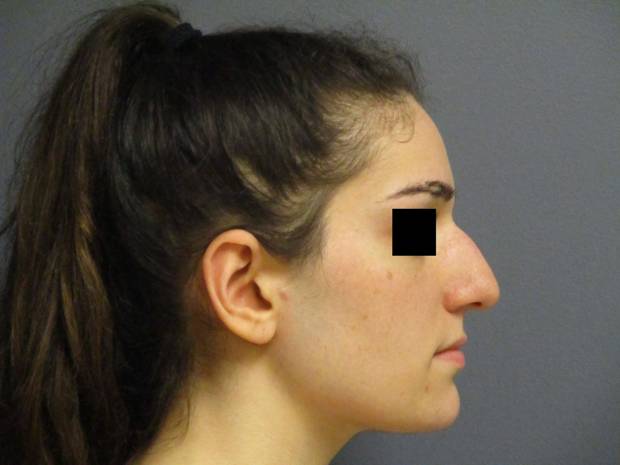
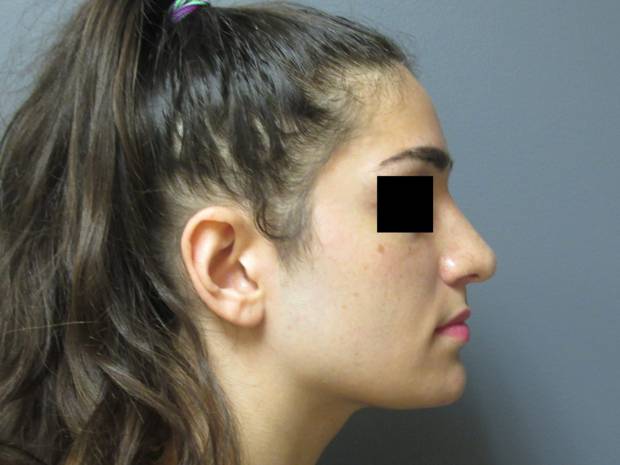
Rhinoplasty · Case 01
Ask about this result →
If you are looking for rhinoplasty near Royal Oak, Dr. Michelle Hardaway reshapes noses at her Farmington Hills practice, which you can reach in 20 to 25 minutes by driving straight west on I-696 from downtown Royal Oak. Surgery is outpatient, so you go home the same day with a protective splint in place.
Patients from Royal Oak considering a rhinoplasty meet with Dr. Michelle Hardaway, a plastic surgeon in Michigan, at every visit; travel details are on our Royal Oak patient page.
Rhinoplasty pricing at Dr. Hardaway’s practice is quoted individually after she examines your nose, because the work varies so much: cosmetic reshaping alone, septorhinoplasty to improve breathing, or a revision of earlier surgery. Your quote covers the surgeon, facility, anesthesia, pre-op testing and follow-up care in a single figure.
We do not accept insurance. We offer financing options for qualified patients, including CareCredit, which lets you spread the cost over time. For practical ways patients plan for the expense, read how to afford a nose job. Because the consultation is where the price is set, it is also where you see computer imaging of potential changes, so the quote and the plan are agreed together.
Two decades after rhinoplasty, the reshaped framework of your nose is still there, since the structural changes are permanent. Your nose keeps aging naturally with the rest of your face, so skin and soft tissue may shift a little over time, but the shape you chose generally stays recognizably the same.
The nose revealed when the splint comes off is not the finished version. Subtle swelling at the tip can take up to a year to settle, so the contour keeps refining through the first months. That long view is one reason the plan aims for a modest, natural-looking change in balance with your other features. The practice’s facial work uses your bone structure and tissue behavior as the guide rather than a celebrity reference photo, an approach described on the main rhinoplasty procedure page.
The three main types are cosmetic, functional and revision rhinoplasty. Cosmetic surgery changes how the nose looks, functional surgery such as septorhinoplasty improves airflow, and revision corrects the outcome of an earlier nose operation. A single procedure can address appearance and breathing together, using either an open or closed approach.
Cosmetic goals often include smoothing a bump on the bridge, refining a wide, drooping or bulbous tip, or correcting asymmetry. Functional work straightens a crooked septum that blocks airflow, which can help with congestion, snoring and sleep. Revision cases deal with scar tissue and weakened structures and usually take longer, so Dr. Hardaway often uses an open approach for them. The right category for you is identified during an examination.
A nose job at 40 can be well worth it if a specific feature or a breathing problem has bothered you for years and your expectations are realistic. Rhinoplasty has no upper age limit once the nose has finished growing, and good health, a clear reason and a measured goal matter more than age.
Regret is less likely when you and your surgeon agree on a precise, moderate change beforehand, and imaging helps with that conversation even though it shows possibilities rather than promises. Make the decision for your own reasons, not because someone suggested your nose needs changing. Candidates should not smoke, or should be able to stop before and after surgery. Some people in mid-life weigh a nose refinement alongside other facial changes; the Royal Oak facelift page covers lifting the jawline and neck if that is also on your mind.
Most people return to light social activities about a week after rhinoplasty, when the splint comes off, and most visible signs fade by week four. Complete healing takes longer: roughly 80% of swelling has usually gone by three months, and the final shape can take up to a year as tip swelling resolves.
The first week brings swelling, bruising and discomfort, eased with prescribed medication and cold compresses. Avoid strenuous activity, sun on the healing nose and any pressure on it. After a septorhinoplasty, most patients go back to work within one to two weeks. Because the practice is 20 to 25 minutes from downtown Royal Oak along I-696, the splint-removal visit about a week out is a short trip. The rhinoplasty recovery timeline breaks down each stage.
A nose job carries the same kinds of risk as other surgery, and choosing a board-certified plastic surgeon who operates in an accredited facility lowers them. Possible problems include bleeding, infection, an anesthesia reaction, numbness, breathing difficulty, asymmetry, a result you dislike and occasionally a need for revision.
Living close to Corewell Health Beaumont Hospital and the busy Woodward Avenue corridor, Royal Oak residents have many providers to choose from, and credentials are not always easy to compare. Dr. Hardaway is certified in plastic surgery and general surgery, is a Fellow of the American College of Surgeons, and trained at Wayne State University School of Medicine before completing residencies in general surgery at North Shore University Hospital and plastic surgery at Nassau County Medical Center. Rhinoplasty is performed as an outpatient procedure lasting one to three hours, and following aftercare instructions reduces risk, though no outcome is guaranteed. If heavy or puffy eyelids are another concern, the blepharoplasty page for Royal Oak patients explains eyelid surgery.
Royal Oak patients often ask about facial refinements, from neck lifts to lip augmentation, and nose reshaping fits the same goal of subtle balance. Dr. Hardaway has over 20 years of experience and performs your rhinoplasty personally. The Royal Oak areas-we-serve page lists the route and other procedures. All consultations are paid and appointment-based to ensure dedicated time and a personalized plan.
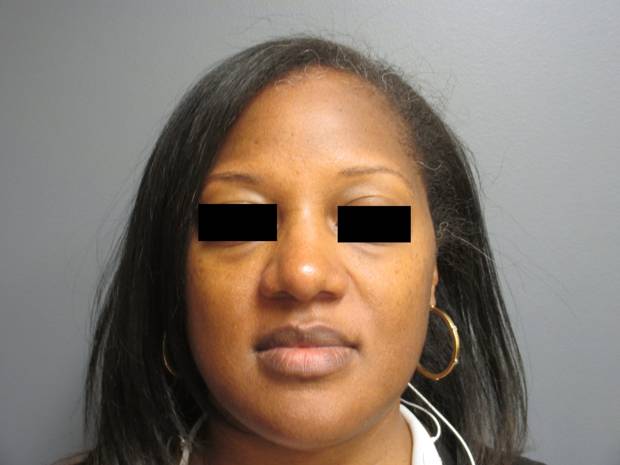
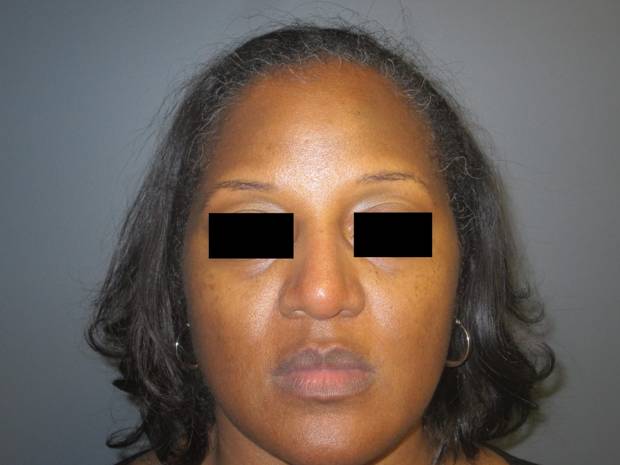
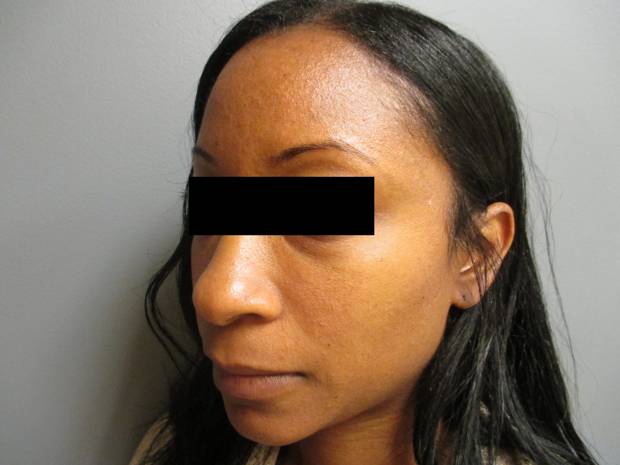
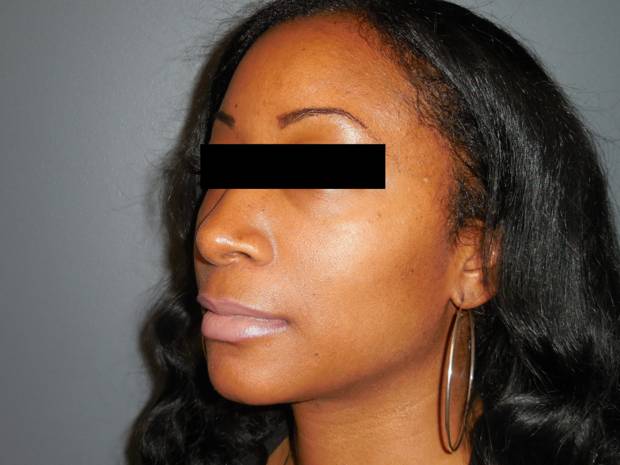
Individual results vary. These photographs show outcomes for specific patients and are not a guarantee of any particular result.
Sleep on your back with your head elevated, which helps reduce swelling in the first weeks. Avoid rolling onto your face or putting any pressure on the nose while it heals. Your aftercare instructions explain how long to keep sleeping this way, and follow-up visits confirm how the swelling is settling.
Yes. A crooked septum is straightened with septoplasty, which repositions or removes parts of the cartilage and bone dividing the nostrils. Done together with rhinoplasty, the operation is called septorhinoplasty, letting you breathe more easily and refine the shape of your nose in one surgery. It usually takes two to three hours.
A rhinoplasty typically takes one to three hours, while a septorhinoplasty runs about two to three. Timing depends on how much reshaping is needed and whether breathing is also corrected. Either a closed or open technique is used, and a splint, sometimes with temporary internal supports, protects the nose afterward.
Whether rhinoplasty suits you is decided after an examination and a review of your history. All consultations are paid and appointment-based to ensure dedicated time and a personalized plan.
Not ready to book? See patient results or read the blog first.
Dr. Hardaway sees every consultation personally. You will have time to ask what you came to ask.
Prefer to talk now? (248) 780-0558
Submitting a request does not create a physician-patient relationship and does not confirm an appointment. A member of the team will be in touch to arrange one.